
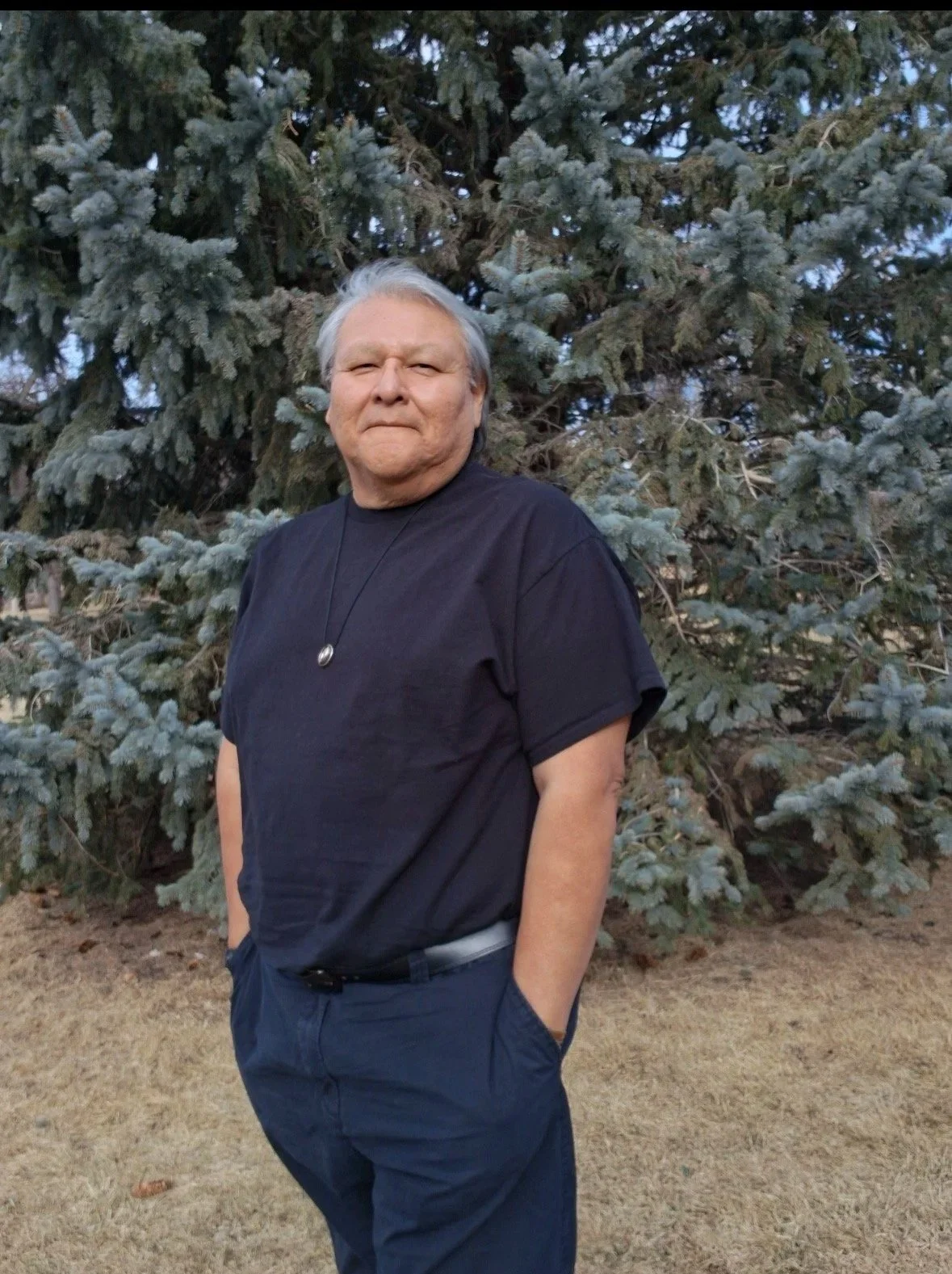
An Exclusive Interview with IAIA Alumni Crisosto Apache, editor with Julian Tanya, of “The Starry Field: A Gathering of Two-Spirit and Indigiqueer Poetry”
An Exclusive Interview with IAIA Alumni Crisosto Apache, editor with Julian Tanya, of “Starry Field: A Gathering of Two-Spirit and Indigiqueer Poetry”
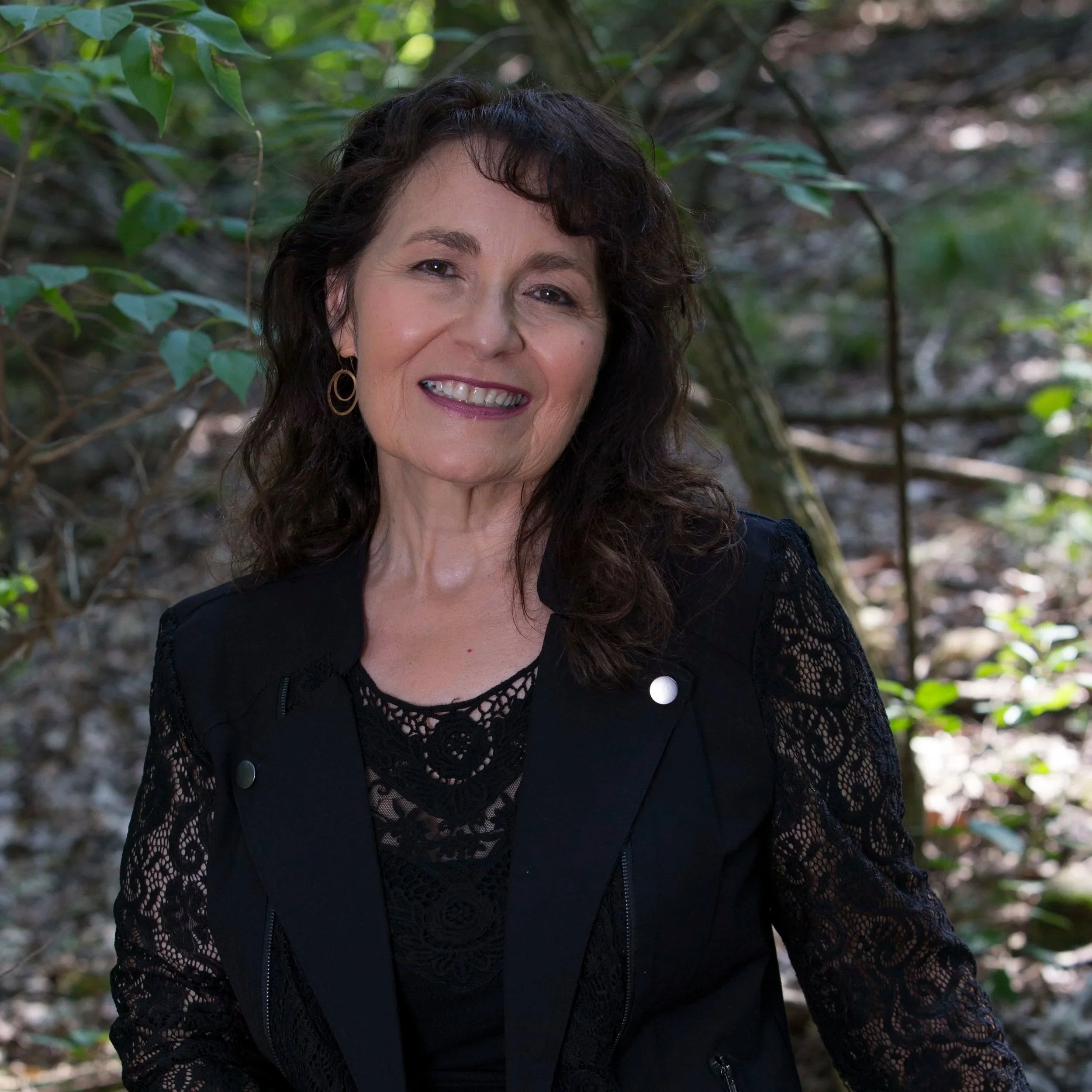
Exclusive Interview with Kimberly Blaeser, author of “Red Ants.”
Interview with Kimberly Blaeser, author of Red Ants.

Interview with Pam Houston, author of “Animals Taught Me Everything.”
Pam Houston is the author of “Animals Taught Me Everything.”
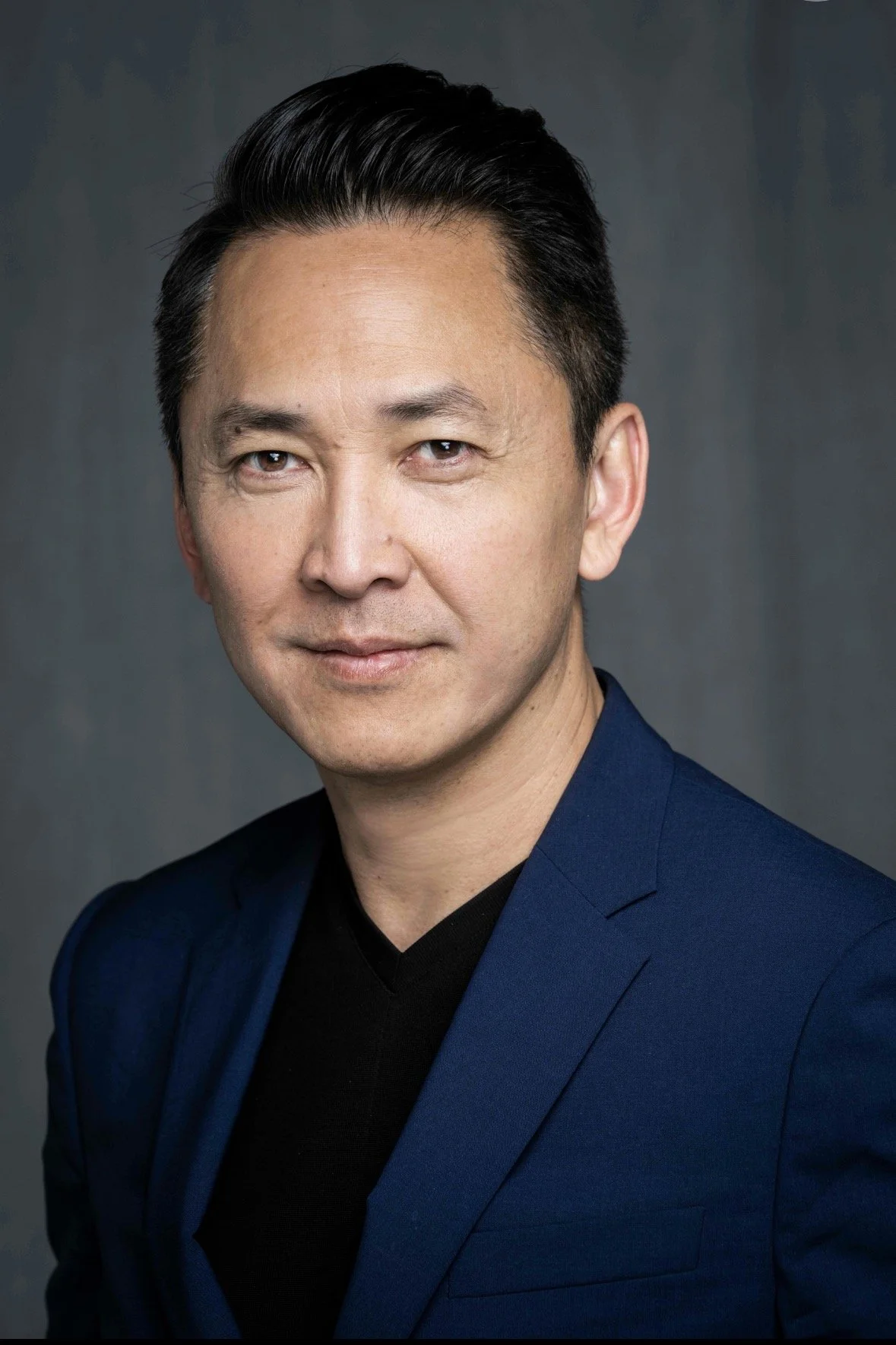
An Interview with Viet Thanh Nguyen, author of “To Save and To Destroy.”
Pulitzer Prize–winning novelist, essayist, scholar, and critic Viet Thanh Nguyen has spent much of his career examining the stories nations tell about themselves—and the stories refugees, immigrants, and other marginalized people tell in response.
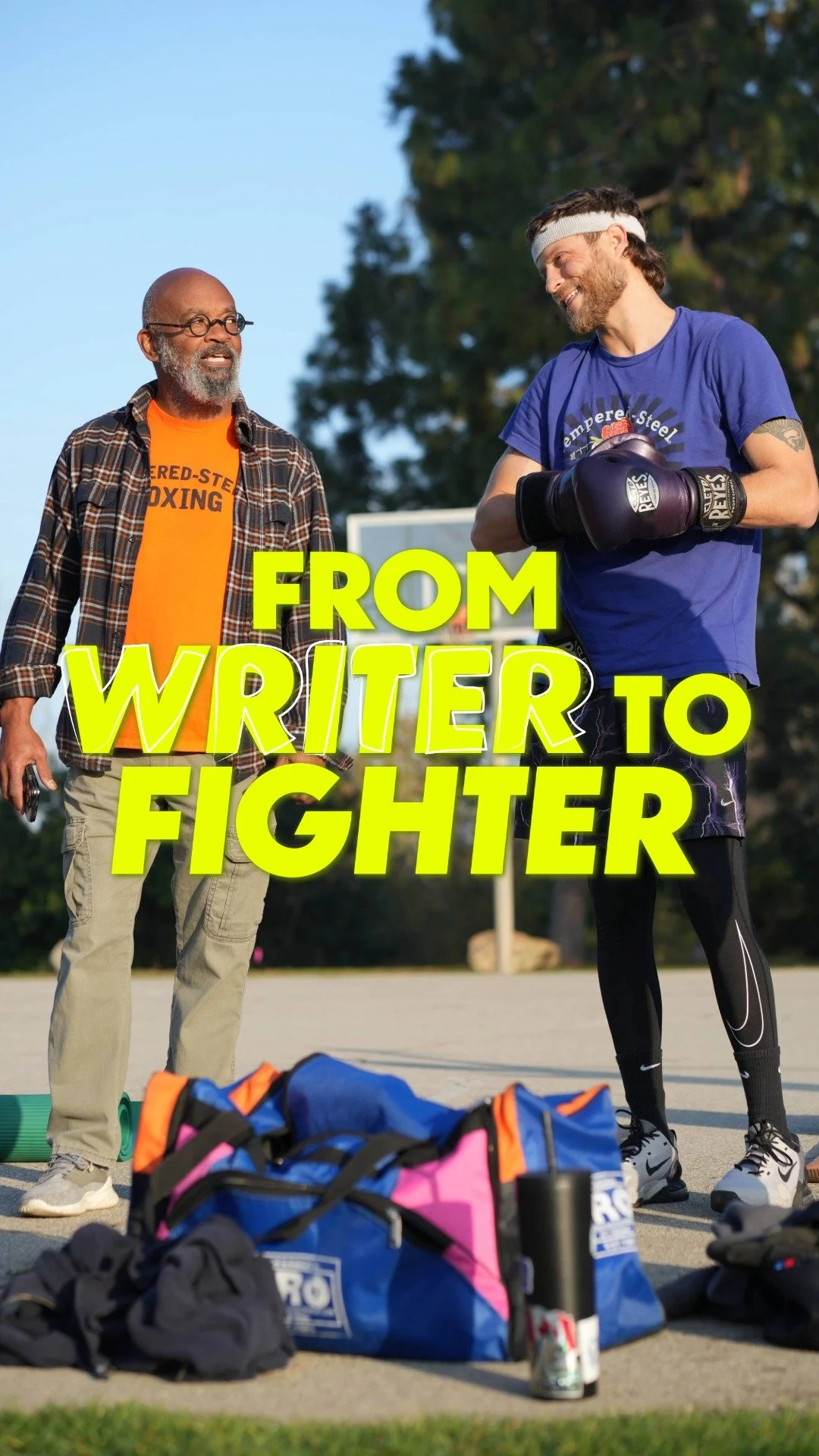
From Writer to Fighter: On Grief, Love, and What the Body Carries — A Conversation with Josh Corey
“From Writer to Fighter” is an autobiographical story about the six months preceding my attempt to fight in a real, sanctioned amateur boxing match, which just so happened to be a month before my wedding.
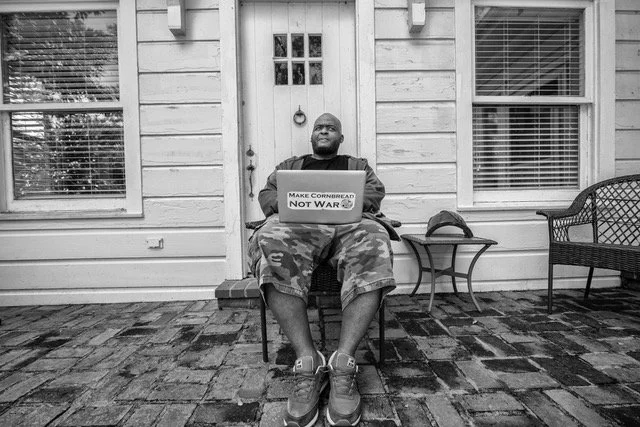
Interview with Kiese Laymon, author of “Heavy: An American Memoir.”
Interview with Kiese Laymon, author of “Heavy: An American Memoir.
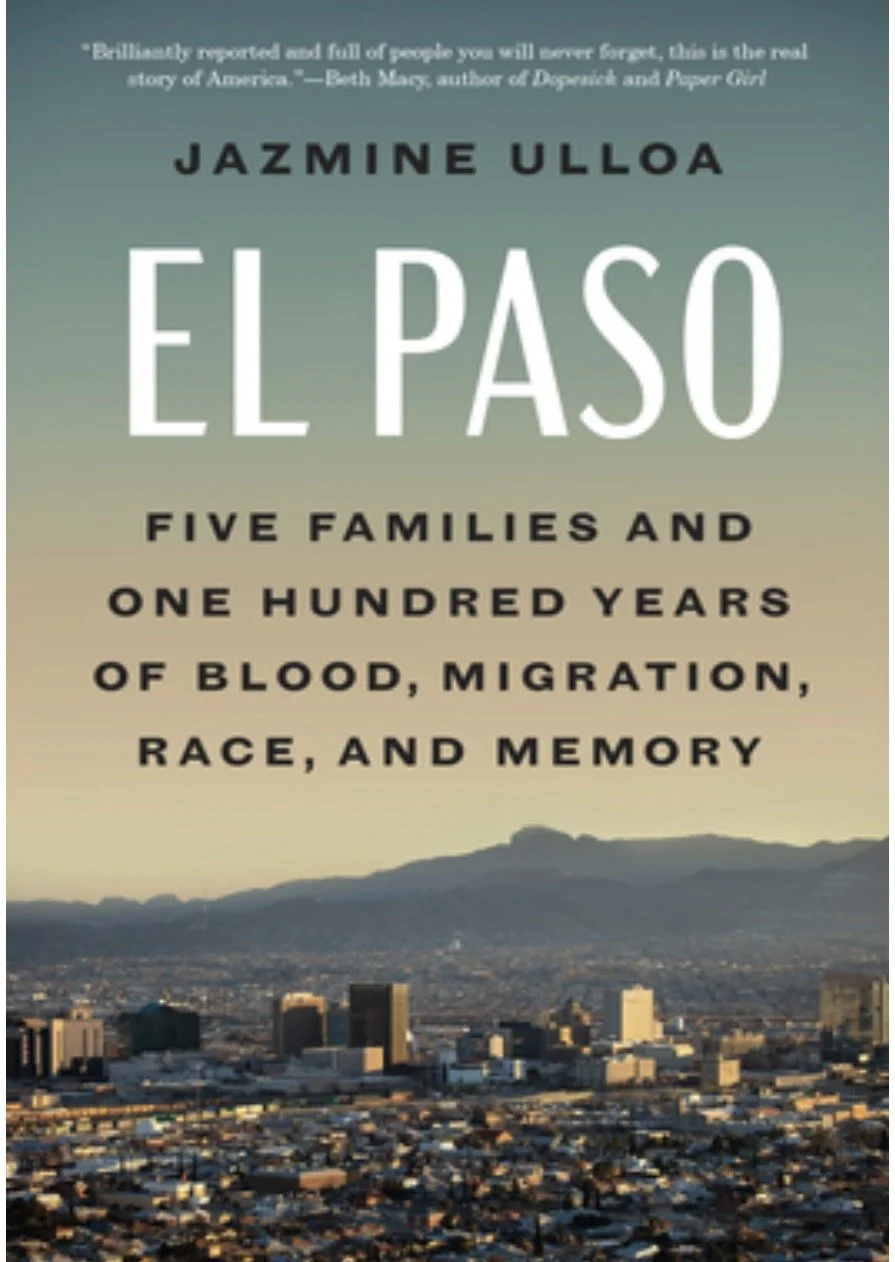
Book Review of “El Paso: Five Families and One Hundred Years of Blood, Migration, Race, and Memory
El Paso: Five Families and One Hundred Years of Blood, Migration, Race, and Memory by Jazmine Ulloa proudly and forcefully argues that this city’s history, people, and binational nature must be brought directly into the center of U.S. history much like Ellis Island or the American Revolution are, instead of being relegated to the margins of our nation’s narrative and simply revisited every time an immigration crisis explodes.
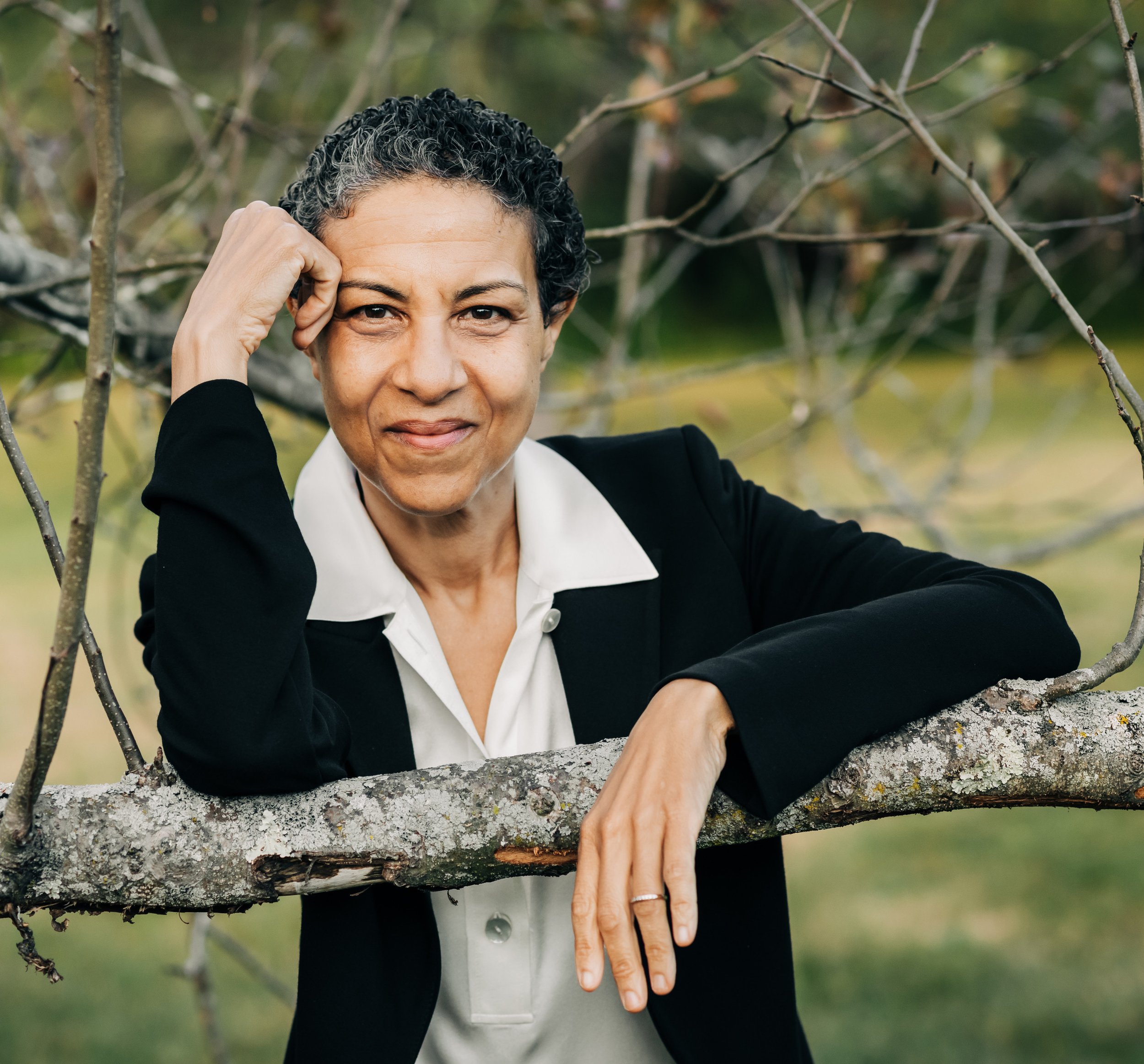
Interview with Elizabeth Stordeur Pryor, Author of “Something We Said: Richard Pryor, a Notorious Word, and Me”
Interview with Elizabeth Stordeur Pryor, Author of “Something We Said: Richard Pryor, a Notorious Word, and Me”
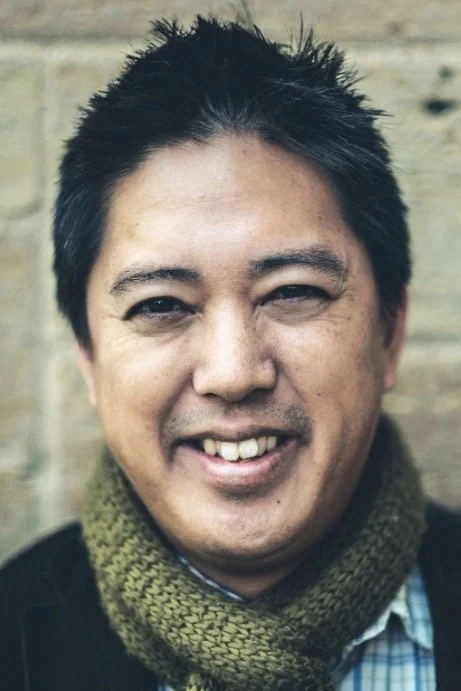
Excavating Empire Through Poetry:A Conversation with Chris Santiago, Author of “Small Wars Manual”
Excavating Empire Through Poetry: A Conversation with Chris Santiago, Author of “Small Wars Manual.”
The Poet as Translator, The Translator as Creator: A Conversation with Francisco Aragón on Gerardo Diego’s “Handbook of Foams”
Conversation with Francisco Aragón.