
Vizenor Concordance: On TRANSLATION
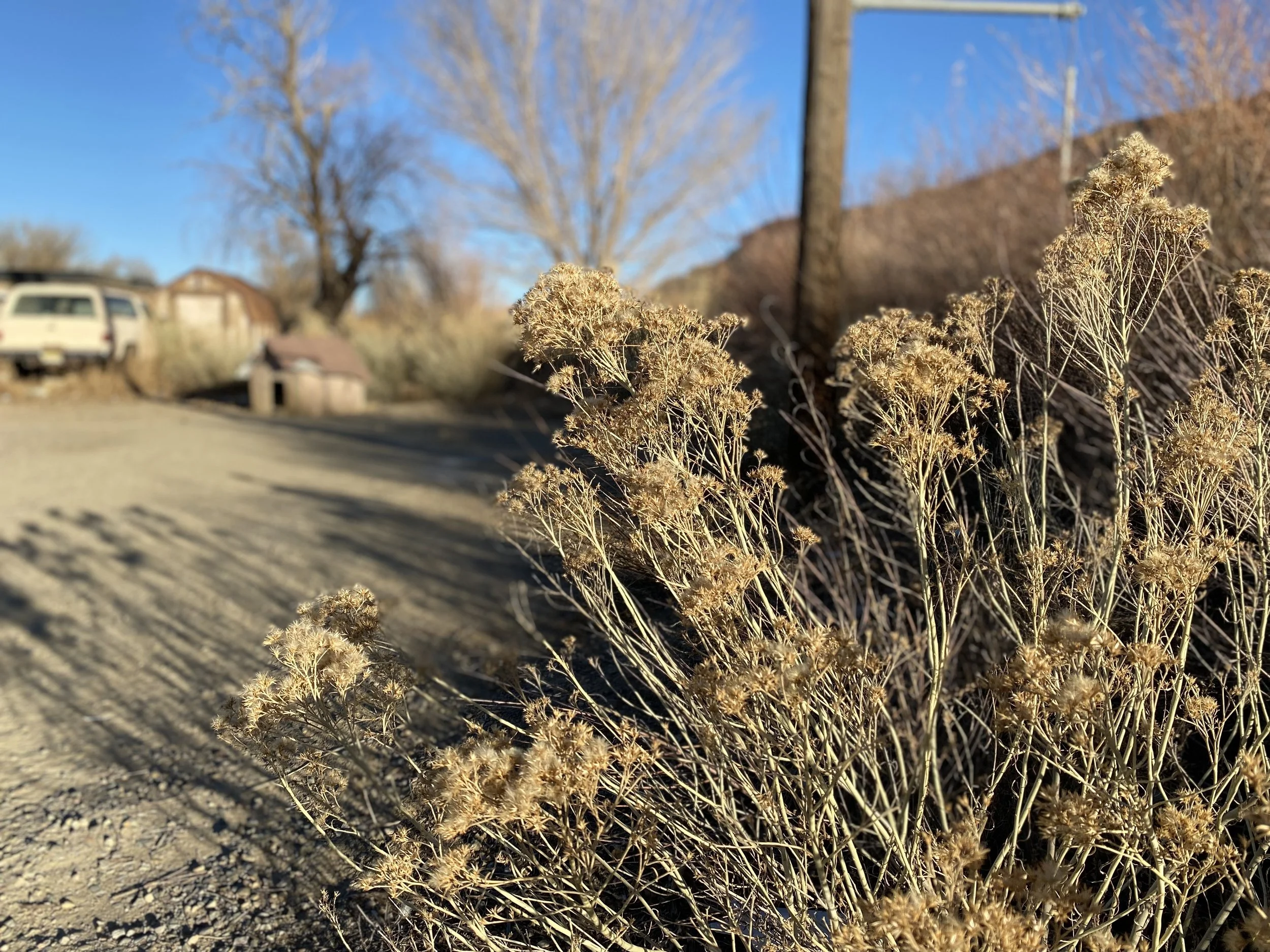
Detail of photograph by Danielle Shandiin Emerson
“Japanese haiku, two, three or four line imagistic poetry was a another traceable source of my inspiration as a poet. I read Matsuo Basho, Kobayashi Issa, and Yosa Buson and other poets in translation. Japanese citizens owned scrolls with the beautiful calligraphy of famous haiku poems. The only relative and critical experiences to compare at the time were the imagistic haiku to the dream songs of the Ojibwe or Anishinaabe. The comparison seemed easy at the time, only because my knowledge was very limited about the imagistic and ironic native dream songs.” (1.1)
“My experiences as a writer were more about chance and coincidence than any other single concept, strategy, or literary objective. The chance discovery of A Stone, a Leaf, a Door and Look Homeward, Angel inspired me to be writer. Call it Sleep inspired me to create more crucial situations of cultural separatism with native mockery, irony, and shamanic rage. The haiku experiences were extraordinary, the chance of military service at a post near Matsushima and thirteen years later the experience was enhanced by the translation and publication of The Narrow Road to the Deep North and Other Sketches by Matsuo Basho in 1966. My automatic overnight novel in the military was lost, and my second novel, Fate in August, has never been published. My first haiku poems were published in the early sixties, and most recently in Favor of Crows: New and Collected Haiku, Wesleyan University Press, 2014.” (1.1)
“The devious political structures of separatism on treaty reservations once denied natives the ordinary right to publish books or newspapers. My direct relatives published the first independent newspaper on a treaty reservation on March 25, 1886, and the federal agent seized the press and ordered the native publisher and editor to vacate the reservation. They refused to leave and a year later a federal court judge ruled that The Progress could be published anywhere in the country and on the White Earth Reservation. The separatism of natives was once equally devious in the translation of native stories as cause and effect and with no sense of natural motions or totemic associations. Native storiers continue the resistance of separatism and the cultural romance of discovery and victimry with mockery and characters of survivance.” (1.4)