
Vizenor Concordance: On THE TOTEMIC
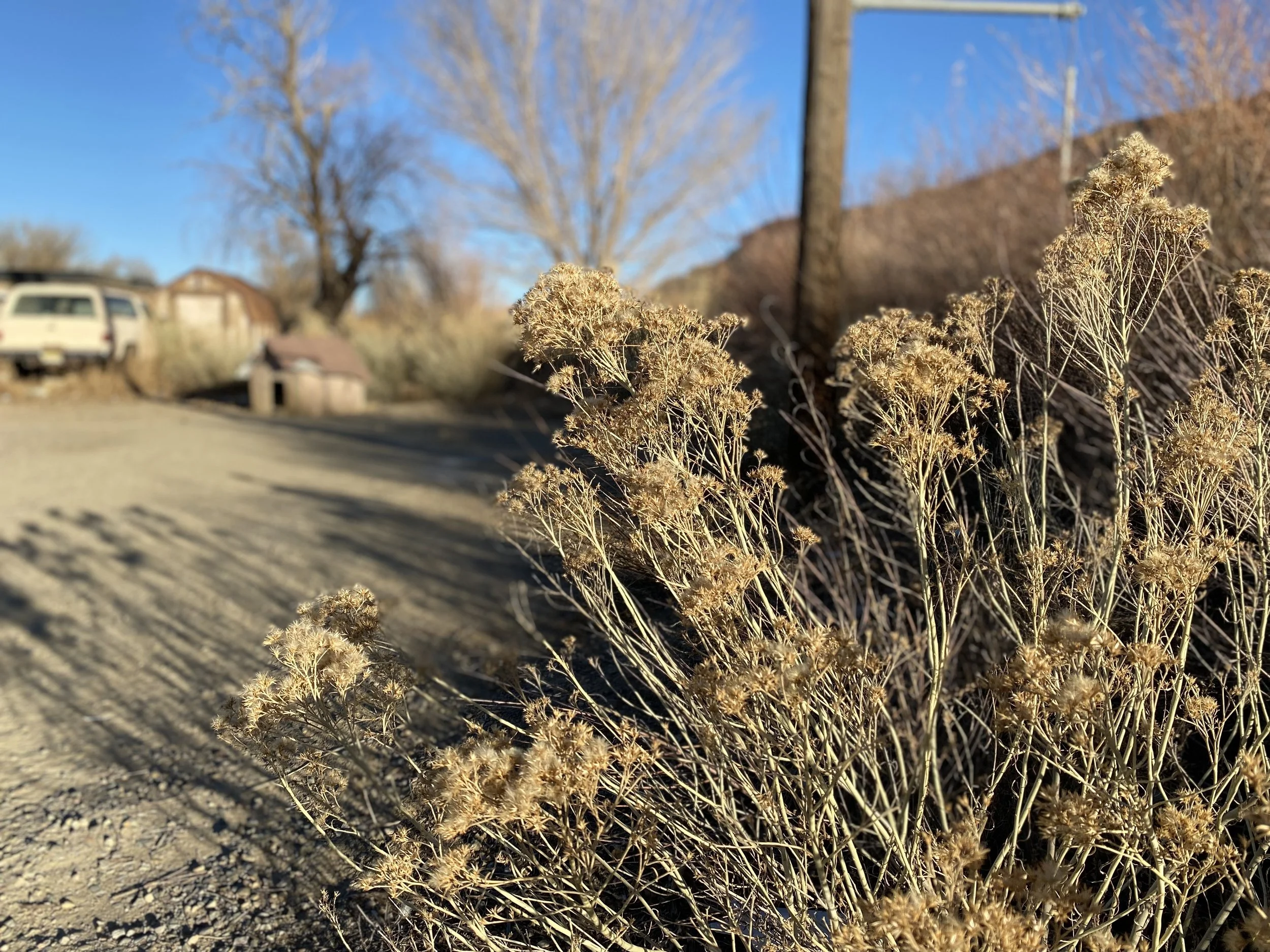
Detail of photograph by Danielle Shandiin Emerson
“In the sixties and seventies there were only a few books in print by native authors. N. Scott Momaday, the novelist with a great sense of totemic shadows in a native landscape, published House Made of Dawn in 1968. Momaday received the Pulitzer Prize for Fiction the following year. Momaday, Leslie Silko, and James Welch were the second great wave of native writers. Ceremony recounts witchery and overturns the monotheistic separation of animal and human spirits. Winter in the Blood is a brilliant creation of ironic scenes and characters.” (1.2)
“The devious political structures of separatism on treaty reservations once denied natives the ordinary right to publish books or newspapers. My direct relatives published the first independent newspaper on a treaty reservation on March 25, 1886, and the federal agent seized the press and ordered the native publisher and editor to vacate the reservation. They refused to leave and a year later a federal court judge ruled that The Progress could be published anywhere in the country and on the White Earth Reservation. The separatism of natives was once equally devious in the translation of native stories as cause and effect and with no sense of natural motions or totemic associations. Native storiers continue the resistance of separatism and the cultural romance of discovery and victimry with mockery and characters of survivance.” (1.4)
“Trickster cosmologies, especially creation stories that were badly translated by anthropologists, counter the serious trouble of a flood and create a new earth with no separations or divisions of time, character, or species. The shamanic scenes are totemic shadows with no distinction of gender or other divisions of spirits. The trickster reveals that his relatives are stones, and when his relatives burst in a fire, the fragments of native relations and trickster stories are scattered everywhere.” (2.2)
“Some of my stories are created with shamanic rage and others with a sense of totemic shadows, mockery, and diverse associations of ironic trickster stories. Characters in my stories observe relations, contradictions, and cultural simulations, and carry out these diversions in the same obscure sense of time and course of irony. Native relations and characters in stories or critical essays must show some sense of resistance and mockery of the cultural models of ethnography and the pretentions of popular culture.” (2.2)
“My characters enact scenes of natural motion, totemic shadows, resistance, and mockery of popular and commercial expectation of indian cultures and literature. The characters in my novels carry out the irony, mockery, and sense of native presence over victimry and the absence in history.” (2.2)
“The creation of native stories in the structure of a written language is never the same as the elusive characters and strategic hesitations and gestures of oral stories, yet it was necessary for me to create a sense of natural motion, tease, totemic temper, and the visual sensations of oral stories. The silent printed words are no comparison to the company of generous and responsive native storiers. Some natives never learned to recognize the subtle hesitations of an oral storier. The characters in my stories create the memories and hesitations of native storiers with elusive gestures, dream songs, and the shamanic presence of hand puppets in obscure parleys. Oral storiers and some creative literary authors have carried out the sensations of natural motion with no structures of time or possessive pronouns, and these conventions were centuries ahead of the existential theatres of the postmodern. The elusive sense of time, natural motion, totemic shadows, mutable characters, and the generous tease of native nicknames and mockery in oral stories is surely evidence enough that natives could have been reviewed as an ironic deconstruction of monotheism and the narratives of mercenary commerce and culture.” (2.3)
“The literary designation of “authentic” native authors should not be determined by the fascist actions of pretendian agents or commercial publishers but instead editors and readers should be more critical of the way authors create characters in natural motionand reveal the presence of animals and birds and critically evaluate the use of pronouns and references to totemic associations that have a distinct presence in the novels of many native authors. Leslie Silko, N. Scott Momaday, and many other authors, for instance, create animals in their stories that have essential associations and a sense of presence. Native mongrels and other animals are teased with nicknames as personal relations in my creative stories. Other critical considerations of native literary empathy would include the distinctive narrative scenes of survivance and critical mockery of treaty separatism and victimry.” (2.4)
“My stories at the time were never decided with possessive pronouns and certainly not the consciousness of singularity in the ruins of civilization. My sense of native presence and recognition in a world of literary envy and trickery was never secure in a dominant monotheistic culture. Treaty reservations and native existential colonies in cities revealed cultural separatism but not a “specific civilization.” The communal pleasure of mockery and irony in trickster creation stories and the elusive native stories of chance, totemic shadows, shamanic mockery and irony are not comparable to “metaphysical preconditions.” Gusdorf declared that “Autobiography becomes possible only under certain metaphysical preconditions. . .humanity must have emerged from the mythic framework of traditional teachings and must have entered into the perilous domain of history. The man who takes the trouble to tell of himself knows that the present differs from the past and that it will not be repeated in the future.”” (2.5)
“German Marxism and Critical Theory at the Frankfurt School first focused on cultural materialism, communism, and the politics of fascism and consciousness. Critical theories are creased and complicated by expositions, analytical translations, violence, political and cultural events, and creative perceptions. Shamanic favors and the recognition of critical theories become a clever chase of native consciousness. The consideration of native totemic shadows, trickster cosmology, the chance of irony and mockery on separatist reservations and in existential colonies, are seldom the subject of critical theories.” (3.2)
“Native storiers have never been easy to consider in the anonymity of existential colonies in cities or at universities, but a grand theory of totemic sensations of mockery, chance of healers, and elusive totemic shadows created by oral storiers continue in some native nations that are not casino cultures. The native grand theories of mockery and irony easily deconstruct digital images and artificial intelligence as nothing more than evasive agency decoys and analogue simulations of futuristic reservations of victimry. The sense of presence and ironic manner of native storiers is elusive and never a digital memory. Digital depictions and other enactments of artificial intelligence depose the native novels that have not created totemic shadows and the ironic presence of storiers. Benjamin would surely salute the grand theories of mockery and irony as restorations of the last native stories of shamanic hesitations and liberty on the continent.” (3.2)
“The Preamble proclaims that “The Anishinaabeg of the White Earth Nation are the successors of a great tradition of continental liberty, a native constitution of families, totemic associations. The Anishinaabeg create stories of natural reason, of courage, loyalty, humor, spiritual inspiration, survivance, reciprocal altruism, and native cultural sovereignty.”” (3.3)