
Vizenor Concordance: On STORY
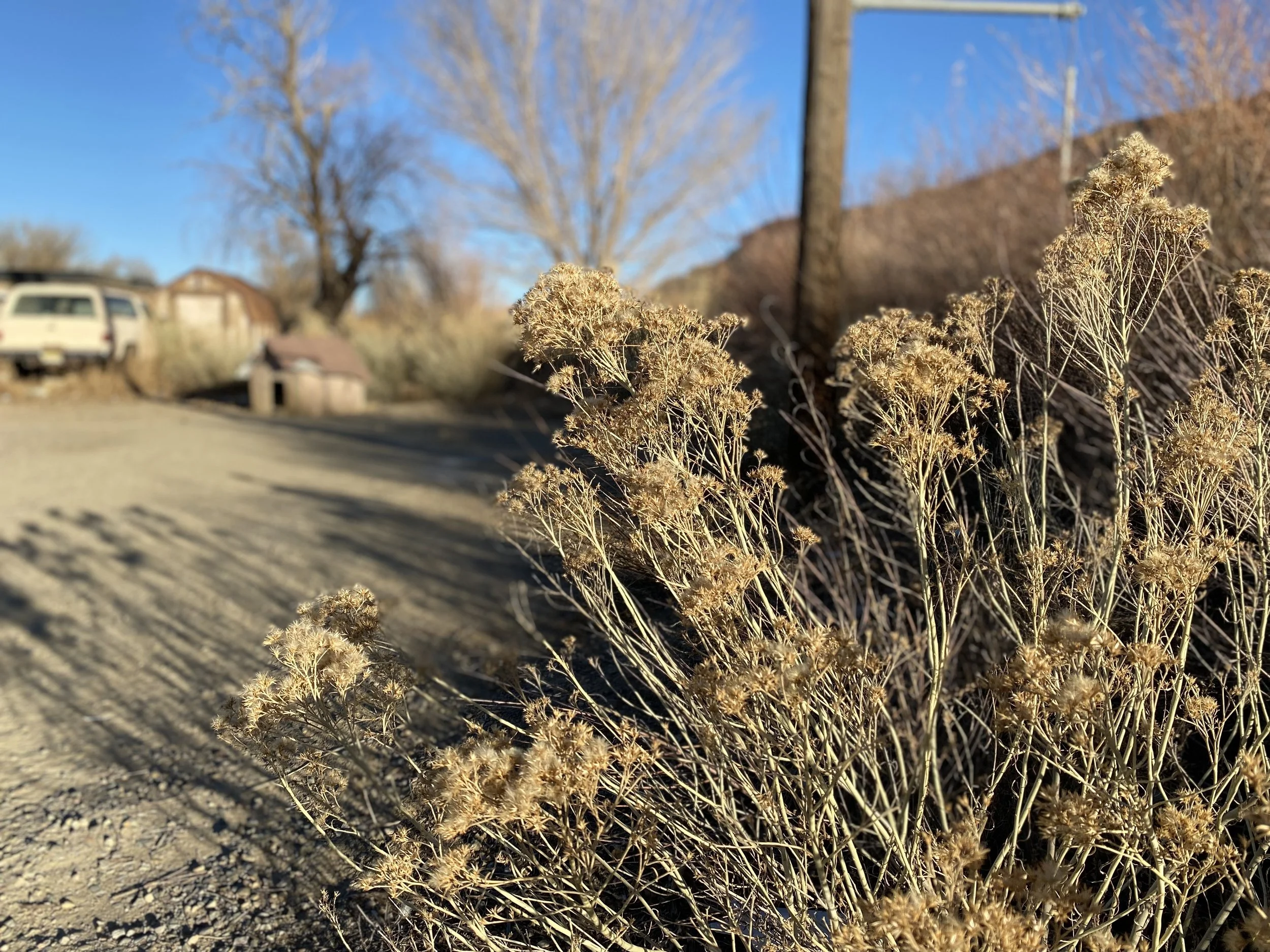
Detail of photograph by Danielle Shandiin Emerson
“The Red Pony by John Steinbeck was an agreeable story at age seven, but the romance of horses would never influenced my course as a writer. God’s Little Acre by Erskine Caldwell was banned in Saint Paul and other cities, and at age fifteen that was reason enough to read the novel about sex and wealth on a farm in Georgia. My response to the banned novel was cocky, “I can do better,” an arrogant comment that luckily was not revealed to anyone at the time.” (1.1)
“My first serious story as a writer was rejected in a tenth grade high school literature class. The narrative account of my experiences were not accepted, and that alone was motivation to become a writer. I was fifteen years old and lied about my age to enlist in the Minnesota Nation Guard. The military duties were twice a month at the Minneapolis Armory and then in the summer two weeks of combat training at Fort Ripley in Minnesota. The teacher refused to accept my story about some events at a military camp because she did not believe the events were my actual experiences. That was an early and easy lesson, some readers may not believe the writer, a native writer. I enlisted in the United States Army three years later and served first in a tank battalion at Hokkaido, Japan, in 1952.” (1.1)
“Natives and suicide are two words that forever burden my memories with the sentiments of misery, the separatism of treaty reservations, casino cultures as sardonic salvation, and reveal the mockery and weary stories of native continental liberty in the ruins of civilization. One crucial story that has haunted me for more than fifty years is my report on the suicide of Dane White, an abandoned and lonesome thirteen year old native who had been confined in a county jail for more than six weeks for the crime of truancy from a public school. My story about the funeral services and burial was published on the front page of the Minneapolis Tribune on November 21, 1968.” (1.1)
““Less and less frequently do we encounter people with the ability to tell a tale properly,” observed Walter Benjamin in “The Storyteller: Reflections on the Works of Nikolai Leskov.” More “often there is embarrassment all around when the wish to hear a story is expressed. It is as if something that seemed inalienable to us, the securest among our possessions, were taken from us: the ability to exchange experiences.” The original essay was first published almost ninety years ago.” (3.2)
““The earliest symptoms of a process whose end is the decline of storytelling is the rise of the novel at the beginning of modern times,” declared Benjamin. “What distinguishes the novel from the story. . .is its essential dependance on the book. The dissemination of the novel became possible only with the invention of printing.”” (3.2)