
Vizenor Concordance: On STORIES
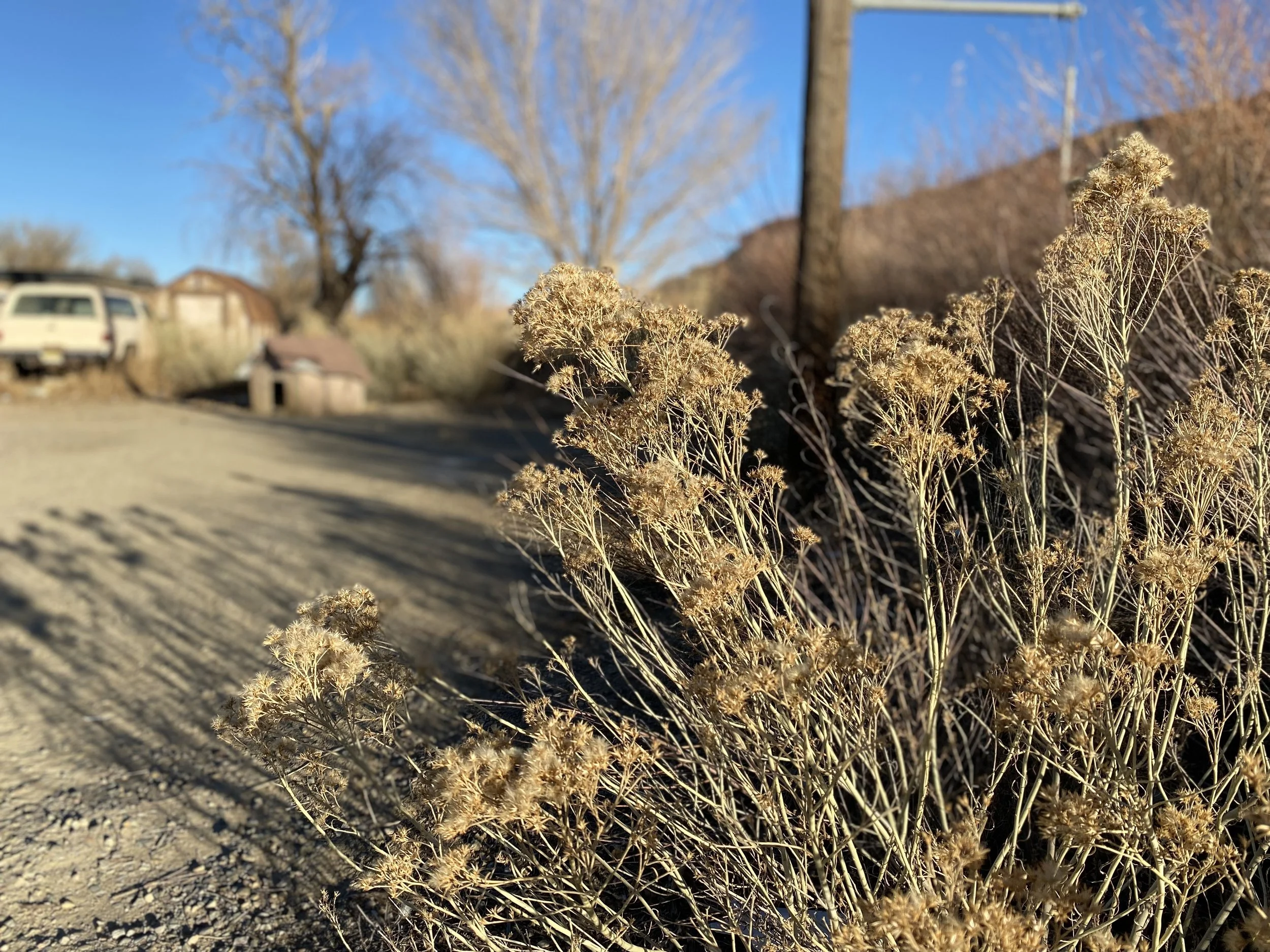
Detail of photograph by Danielle Shandiin Emerson
“I completed several short stories in the next few months, and later that year wrote a novel in the style of automatic writing, or the irony of spirit writing. I purchased a portable typewriter and wrote about sixty pages of descriptive scenes and dialogue in a single night. There was no sense of time, and no instructions, critical cues, or knowledge of how to write anything, only the inspiration to be an author.” (1.1)
“Natives and suicide are two words that forever burden my memories with the sentiments of misery, the separatism of treaty reservations, casino cultures as sardonic salvation, and reveal the mockery and weary stories of native continental liberty in the ruins of civilization. One crucial story that has haunted me for more than fifty years is my report on the suicide of Dane White, an abandoned and lonesome thirteen year old native who had been confined in a county jail for more than six weeks for the crime of truancy from a public school. My story about the funeral services and burial was published on the front page of the Minneapolis Tribune on November 21, 1968.” (1.1)
“Bearheart: The Heirship Chronicles starts with a letter to the reader, a necessary revision of the first edition to assure readers that the shamanic spirit and temper of the author was created and not the same as the name on the cover and title page. Saint Louis Bearheart was the author, a more plausible storier than a native professor at a university. The bear is in me now. Not since the darkness of boarding school and the writing of this book, the heirship chronicles on the wicked road to the fourth world, has the blood and deep voice of the bear moved in me with such power. . .The Bureau of Indian Affairs hired me to dance in the darkness on the cabinets and to remember the heirship documents, the cross blood tricksters at the tree lines. We laughed, no one in the cities would believe that we were related to animals, that we were bears in these stories.” (1.1)
“The devious political structures of separatism on treaty reservations once denied natives the ordinary right to publish books or newspapers. My direct relatives published the first independent newspaper on a treaty reservation on March 25, 1886, and the federal agent seized the press and ordered the native publisher and editor to vacate the reservation. They refused to leave and a year later a federal court judge ruled that The Progress could be published anywhere in the country and on the White Earth Reservation. The separatism of natives was once equally devious in the translation of native stories as cause and effect and with no sense of natural motions or totemic associations. Native storiers continue the resistance of separatism and the cultural romance of discovery and victimry with mockery and characters of survivance.” (1.4)
“The commercial publishers of books and magazines edited stories to reveal native victimry that satisfied the readers. The indians were the commerce of literary savagism, cultural simplicity, and at times brave and heroic, but the stories always ended with the clear course of separatism and victimry. My native stories and novels create characters and situations that mock separatism and establish themes of resistance and survivance over any traces of victimry.” (2.1)
“I was a sworn delegate and principal writer of the Constitution of the White Earth Nation that was ratified on April 4, 2009. The Preamble includes a reference to survivance. “The Anishinaabeg create stories of natural reason, of courage, loyalty, humor, spiritual inspiration, survivance, reciprocal altruism, and native cultural sovereignty.”” (2.1)
“Trickster cosmologies, especially creation stories that were badly translated by anthropologists, counter the serious trouble of a flood and create a new earth with no separations or divisions of time, character, or species. The shamanic scenes are totemic shadows with no distinction of gender or other divisions of spirits. The trickster reveals that his relatives are stones, and when his relatives burst in a fire, the fragments of native relations and trickster stories are scattered everywhere.” (2.2)
“Some of my stories are created with shamanic rage and others with a sense of totemic shadows, mockery, and diverse associations of ironic trickster stories. Characters in my stories observe relations, contradictions, and cultural simulations, and carry out these diversions in the same obscure sense of time and course of irony. Native relations and characters in stories or critical essays must show some sense of resistance and mockery of the cultural models of ethnography and the pretentions of popular culture.” (2.2)
“The creation of native stories in the structure of a written language is never the same as the elusive characters and strategic hesitations and gestures of oral stories, yet it was necessary for me to create a sense of natural motion, tease, totemic temper, and the visual sensations of oral stories. The silent printed words are no comparison to the company of generous and responsive native storiers. Some natives never learned to recognize the subtle hesitations of an oral storier. The characters in my stories create the memories and hesitations of native storiers with elusive gestures, dream songs, and the shamanic presence of hand puppets in obscure parleys. Oral storiers and some creative literary authors have carried out the sensations of natural motion with no structures of time or possessive pronouns, and these conventions were centuries ahead of the existential theatres of the postmodern. The elusive sense of time, natural motion, totemic shadows, mutable characters, and the generous tease of native nicknames and mockery in oral stories is surely evidence enough that natives could have been reviewed as an ironic deconstruction of monotheism and the narratives of mercenary commerce and culture.” (2.3)
“The literary designation of “authentic” native authors should not be determined by the fascist actions of pretendian agents or commercial publishers but instead editors and readers should be more critical of the way authors create characters in natural motionand reveal the presence of animals and birds and critically evaluate the use of pronouns and references to totemic associations that have a distinct presence in the novels of many native authors. Leslie Silko, N. Scott Momaday, and many other authors, for instance, create animals in their stories that have essential associations and a sense of presence. Native mongrels and other animals are teased with nicknames as personal relations in my creative stories. Other critical considerations of native literary empathy would include the distinctive narrative scenes of survivance and critical mockery of treaty separatism and victimry.” (2.4)
“Chester Anderson, Professor of English at the University of Minnesota, invited me almost fifty years ago to contribute a short autobiography for publication in Growing Up in Minnesota. The invitation was deferential, of course, and my response was ironic, a declaration that first person autobiographical narratives were unreadable as counterfeit confessions limited by an abstruse personal possessive pronoun. Anderson smiled and a few weeks later accepted my counter proposal to imagine and create stories about an elusive native character named Gerald Vizenor.” (2.5)
“My stories at the time were never decided with possessive pronouns and certainly not the consciousness of singularity in the ruins of civilization. My sense of native presence and recognition in a world of literary envy and trickery was never secure in a dominant monotheistic culture. Treaty reservations and native existential colonies in cities revealed cultural separatism but not a “specific civilization.” The communal pleasure of mockery and irony in trickster creation stories and the elusive native stories of chance, totemic shadows, shamanic mockery and irony are not comparable to “metaphysical preconditions.” Gusdorf declared that “Autobiography becomes possible only under certain metaphysical preconditions. . .humanity must have emerged from the mythic framework of traditional teachings and must have entered into the perilous domain of history. The man who takes the trouble to tell of himself knows that the present differs from the past and that it will not be repeated in the future.”” (2.5)
“The most memorable native oral storiers are elusive, the pleasure of subtle facial gestures and diversions, and the stories are more memorable in the communal harmony of other storiers, the balance of sound, breath, gestures, and hesitations that are understood by the storiers and those present. The memories of scenes in native oral stories are conceivable but not easy to duplicate as published stories, but native authors must continue to tease the chance and spirit of oral storiers in original narratives for publication.” (2.5)
“Erdupps MacChurbbs reminded me that he was on my shoulder that summer of that notable resistance to possessive pronouns and told me that the autobiographical deceptions of the moment never had a native past and there was nothing more in the future than another chance to tease the moment and create a sense of natural motion and presence in native stories.” (2.5)
“MacChurbbs easily provided a steady course of nicknames in my stories, and every native nickname was a tricky chance in creation stories. He was a miniature puppet and mighty at the same time, with no bloodlines, no terminal divisions of identity, and yet he is an imagined shaman that roams in the memory of an imagistic poet and storier. He told me to “free yourself from the customs of civilized measurements. We are so big, and so little at the same time. You have learned only one way to measure the world. Puppets of imagination vanish in culture of terminal creeds. Mockery and irony never expire, but some people exaggerate their presence and reach for cultural perfection through the exalted structures of possessive pronouns of the past.”” (2.5)
“Deloria died twenty years ago, and his critical observation that natives are perceived as “unreal and ahistorical” continues with only slight revisions of the dominion course of treaty separatism and victimry. My insistence on the word native is an obvious resistance to the spurious discovery name, indian, and in my essays and literary stories the word native and indian are printed in lower case italics, a necessary style to avoid the dominance of capitalization, and the same resistance to other invented native cultural names. Casino cultures and commercial native literature have counted, for the most part, as a more current course of unrealities and cultural histories of separatism.” (3.1)
“Vine Deloria Jr. conveyed native irony and humor on every occasion, in conversations, at conventions, and lectures, and he practiced the communal tease, once customary in many native communities, mainly with native political leaders, lawyers, and academics. Natives easily “come together by sharing humor of the past,” he wrote, and the most common ironic stories in the past fifty years alluded to anthropologists, federal agents, treaties, General Custer, and Christopher Columbus.” (3.1)
“My critical contention about monotheism, the mercenary fur trade, reaty reservations separatism, casino cultures, the politics of existential native colonies, the conversion of communal stories of survivance to victimry in commercial novels, and the digital depictions and artificial intelligence, continue to broaden critical theories and other interpretations of native literature. Theodor Adorno and Walter Benjamin were more instructive at the time about storiers, essays, and literature than the other distinguished scholars and philosophers of the Frankfurt School.” (3.2)
“Native storiers have never been easy to consider in the anonymity of existential colonies in cities or at universities, but a grand theory of totemic sensations of mockery, chance of healers, and elusive totemic shadows created by oral storiers continue in some native nations that are not casino cultures. The native grand theories of mockery and irony easily deconstruct digital images and artificial intelligence as nothing more than evasive agency decoys and analogue simulations of futuristic reservations of victimry. The sense of presence and ironic manner of native storiers is elusive and never a digital memory. Digital depictions and other enactments of artificial intelligence depose the native novels that have not created totemic shadows and the ironic presence of storiers. Benjamin would surely salute the grand theories of mockery and irony as restorations of the last native stories of shamanic hesitations and liberty on the continent.” (3.2)
“The native essays of resistance, and the grand theories of mockery and survivance, are not traditions. The native essay is contention not a meditation, not separatism, not cultural absence, or the mastery of natural motion. The essay is an ironic venture, a tease of creation stories, and the native essay is a tease of Theodor Adorno and his theory of the essay cited in a collection of my essays, Fugitive Poses: Native American Scenes of Absence and Presence, University of Nebraska Press, 1998. The “essay retains, precisely in the autonomy of its presentation, which distinguishes it from scientific and scholarly information, traces of the communicative element such information dispenses with,” observed Adorno in Notes to Literature.” (3.2)
“The Preamble proclaims that “The Anishinaabeg of the White Earth Nation are the successors of a great tradition of continental liberty, a native constitution of families, totemic associations. The Anishinaabeg create stories of natural reason, of courage, loyalty, humor, spiritual inspiration, survivance, reciprocal altruism, and native cultural sovereignty.”” (3.3)
“The coureurs des bois of the mercenary fur trade and the kitschymen of the media, casino cultures, and digital simulations are the merchants of resistance with no natural hesitations or memorable stories. The considerations are casual and repetitious, at best, and the stories are the mere enterprise of resistance. The kitschymen are the simulations of natives with no sense of an actual presence, only the objects of mockery. The kitschymen are noted as a native pretense not a presence, and with no gestures of imagination, no native mockery, or recognition of irony.” (3.4)
“W1: I was a sworn delegate and principal writer of the Constitution of the White Earth Nation that was ratified on April 4, 2009. The Preamble includes a reference to survivance. “The Anishinaabeg create stories of natural reason, of courage, loyalty, humor, spiritual inspiration, survivance, reciprocal altruism, and native cultural sovereignty.”” (3.4)