
Vizenor Concordance: On SOVEREIGNTY
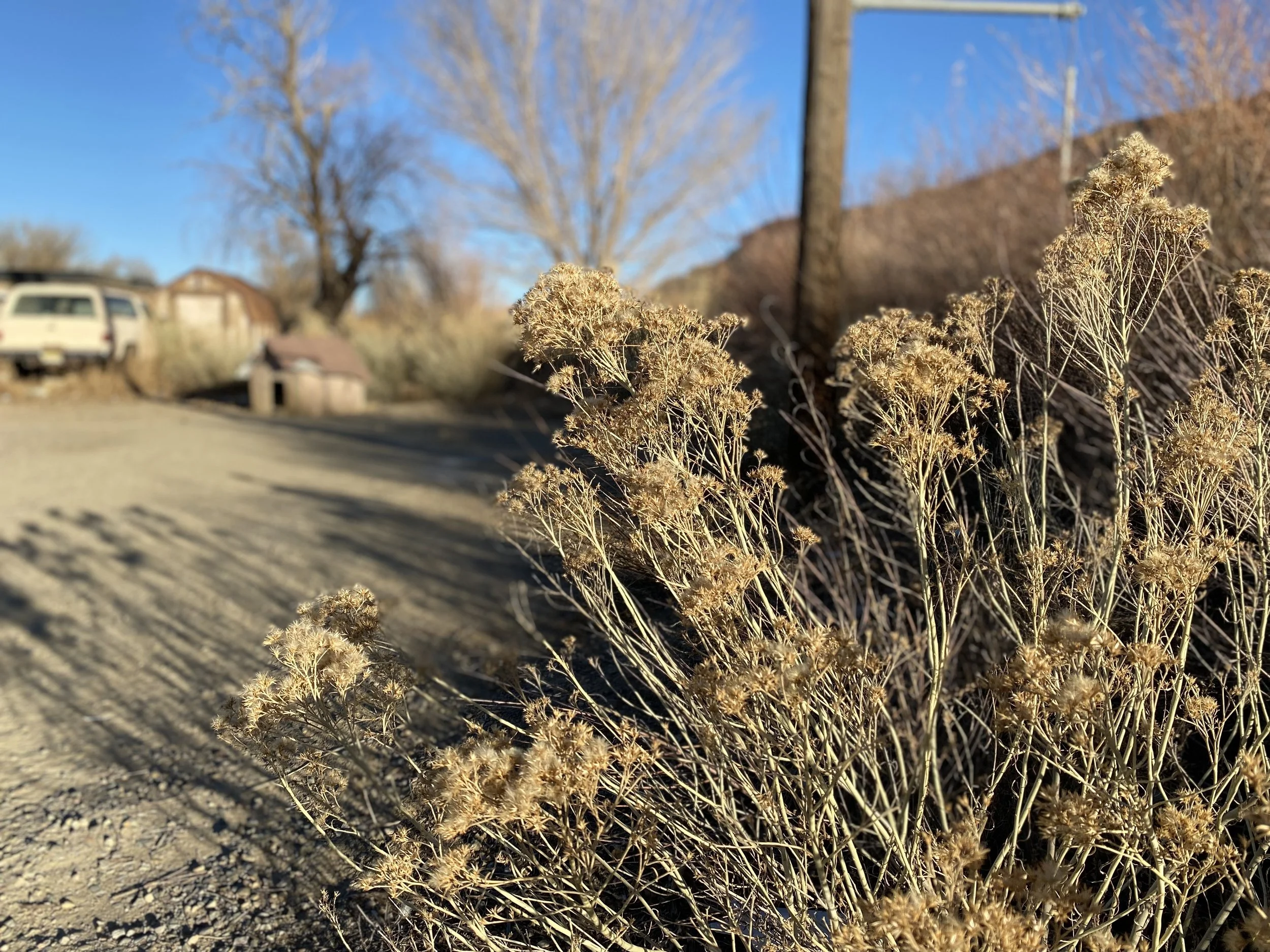
Detail of photograph by Danielle Shandiin Emerson
“I was a sworn delegate and principal writer of the Constitution of the White Earth Nation that was ratified on April 4, 2009. The Preamble includes a reference to survivance. “The Anishinaabeg create stories of natural reason, of courage, loyalty, humor, spiritual inspiration, survivance, reciprocal altruism, and native cultural sovereignty.”” (2.1)
“The delates were seated at five large round tables, eight at a table, and were invited to consider, discuss, and record the critical content of a constitution. Each table named one delegate to summarize the discussions, and late that morning of the first convention the native delegates considered native sovereignty, rights and justice, banishment, community youth and elder councils, and the principle of communal reciprocity. The ideas and specific principles were presented and later the recorded discussion notes were transcribed and discussed by the entire delegation. The notes and principles discussed at the conferences were the basis of my duty as the principal writer, to consider the actual content of the articles of the constitution and present every proposed article for final consideration at the last convention. The Constitution of the White Earth Nation has twenty chapters and one hundred and eighteen articles. The United States Constitution was not an easy structure to consider as a model to declare a native ethos and principles of governance. Luckily, my graduate studies included a critical review of the Constitution of Japan created by senior officers of the military occupation who served General Douglas MacArthur, Supreme Commander for the Allied Powers.” (3.3)
“The Preamble proclaims that “The Anishinaabeg of the White Earth Nation are the successors of a great tradition of continental liberty, a native constitution of families, totemic associations. The Anishinaabeg create stories of natural reason, of courage, loyalty, humor, spiritual inspiration, survivance, reciprocal altruism, and native cultural sovereignty.”” (3.3)
“Dennis Banks, dressed in a dark suit, white shirt and narrow necktie, told me to stop picketing the Bureau of Indian Affairs. “Demonstrations are not the Indian Way,” he told me and other advocates. He had been selected for management training at an international corporation as part of a minority program. Later his parole was revoked for another felony and he was released at the end of his original prison sentence. Banks and many other natives, “trouped across the country from Plymouth Rock to Alcatraz, dressed in century old tribal vestments, demanding recognition of treaty rights, equal justice and sovereignty,” I wrote in an editorial series for the Minneapolis Tribune in 1973. “The American Indian Movement is an urban revolutionary movement whose members have in recent years tried to return to the reservations as the warrior heroes. . .To some they are the heroes of contemporary history, but to others they are the freebooters of racism.”” (3.4)
““The American Indian Movement, two decades after the occupation of Wounded Knee, is more kitsch and tired simulations than menace,” I wrote in Manifest Manners: Native Postindian Manners, University of Nebraska Press, 1996. “The leaders are as close to retirement as those who funded their resistance enterprises and adventures. The church and state contribute to other causes now, and the media covers casinos, tribal sovereignty, and tribal court decisions with more interest than the activities of urban radical leaders and the kitschymen of the resistance enterprises.”” (3.4)
“W1: I was a sworn delegate and principal writer of the Constitution of the White Earth Nation that was ratified on April 4, 2009. The Preamble includes a reference to survivance. “The Anishinaabeg create stories of natural reason, of courage, loyalty, humor, spiritual inspiration, survivance, reciprocal altruism, and native cultural sovereignty.”” (3.4)