
Vizenor Concordance: On RESERVATIONS
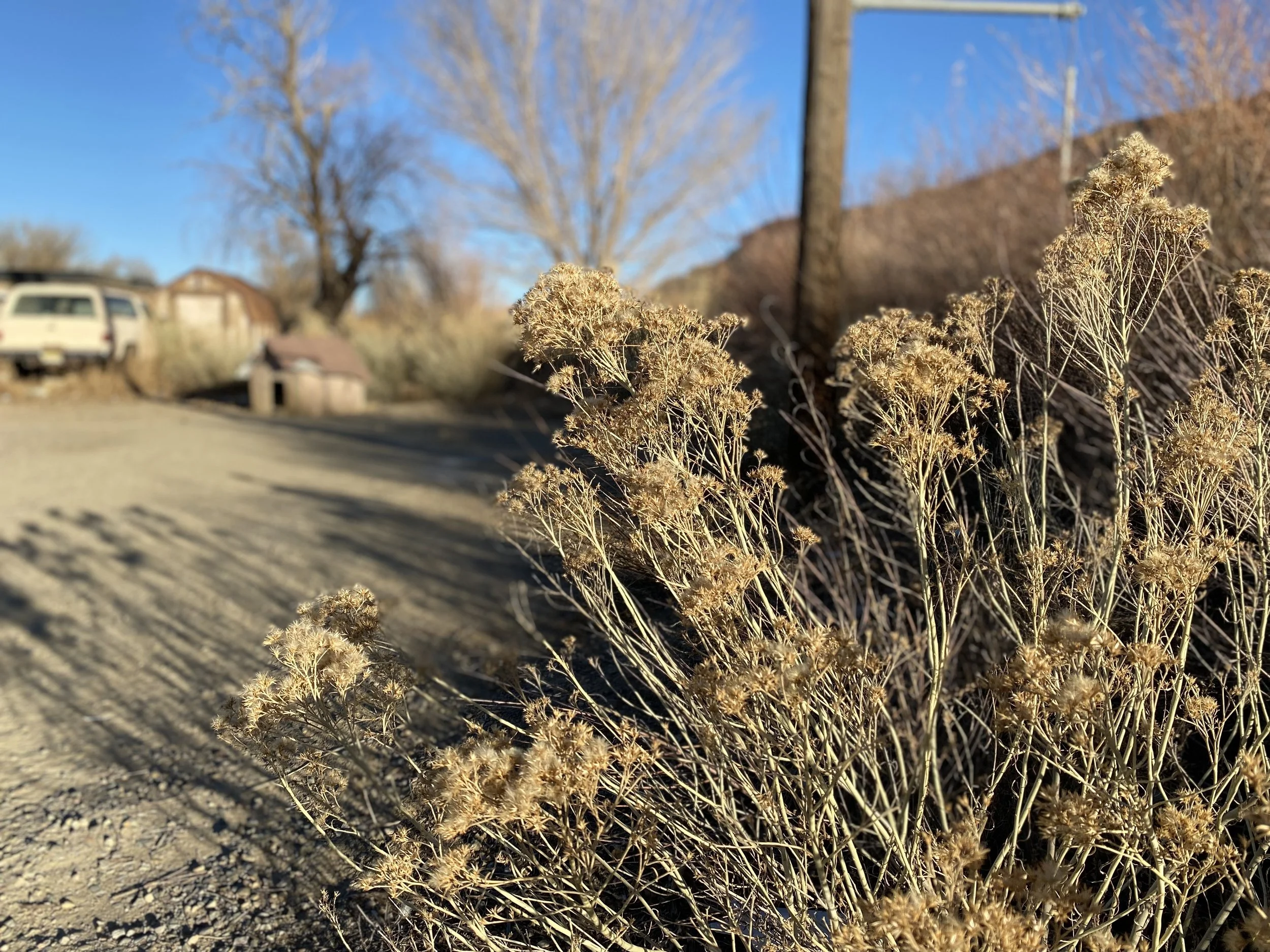
Detail of photograph by Danielle Shandiin Emerson
“Natives and suicide are two words that forever burden my memories with the sentiments of misery, the separatism of treaty reservations, casino cultures as sardonic salvation, and reveal the mockery and weary stories of native continental liberty in the ruins of civilization. One crucial story that has haunted me for more than fifty years is my report on the suicide of Dane White, an abandoned and lonesome thirteen year old native who had been confined in a county jail for more than six weeks for the crime of truancy from a public school. My story about the funeral services and burial was published on the front page of the Minneapolis Tribune on November 21, 1968.” (1.1)
“In the early nineteen seventies the country encountered an energy crisis, a critical shortage of gasoline. Hundreds of automobiles waited in lines at service stations around the country, and the lines were longer in California. The country was out of gas and the culture was based on the critical mobility of automobiles and gasoline. The only cultures of endurance were native, and, in my view at the time, that ironic reality would become envy and another colonial seizure of timber and other native resources on treaty reservations.” (1.1)
“The devious political structures of separatism on treaty reservations once denied natives the ordinary right to publish books or newspapers. My direct relatives published the first independent newspaper on a treaty reservation on March 25, 1886, and the federal agent seized the press and ordered the native publisher and editor to vacate the reservation. They refused to leave and a year later a federal court judge ruled that The Progress could be published anywhere in the country and on the White Earth Reservation. The separatism of natives was once equally devious in the translation of native stories as cause and effect and with no sense of natural motions or totemic associations. Native storiers continue the resistance of separatism and the cultural romance of discovery and victimry with mockery and characters of survivance.” (1.4)
“My stories at the time were never decided with possessive pronouns and certainly not the consciousness of singularity in the ruins of civilization. My sense of native presence and recognition in a world of literary envy and trickery was never secure in a dominant monotheistic culture. Treaty reservations and native existential colonies in cities revealed cultural separatism but not a “specific civilization.” The communal pleasure of mockery and irony in trickster creation stories and the elusive native stories of chance, totemic shadows, shamanic mockery and irony are not comparable to “metaphysical preconditions.” Gusdorf declared that “Autobiography becomes possible only under certain metaphysical preconditions. . .humanity must have emerged from the mythic framework of traditional teachings and must have entered into the perilous domain of history. The man who takes the trouble to tell of himself knows that the present differs from the past and that it will not be repeated in the future.”” (2.5)
“German Marxism and Critical Theory at the Frankfurt School first focused on cultural materialism, communism, and the politics of fascism and consciousness. Critical theories are creased and complicated by expositions, analytical translations, violence, political and cultural events, and creative perceptions. Shamanic favors and the recognition of critical theories become a clever chase of native consciousness. The consideration of native totemic shadows, trickster cosmology, the chance of irony and mockery on separatist reservations and in existential colonies, are seldom the subject of critical theories.” (3.2)
“My critical contention about monotheism, the mercenary fur trade, reaty reservations separatism, casino cultures, the politics of existential native colonies, the conversion of communal stories of survivance to victimry in commercial novels, and the digital depictions and artificial intelligence, continue to broaden critical theories and other interpretations of native literature. Theodor Adorno and Walter Benjamin were more instructive at the time about storiers, essays, and literature than the other distinguished scholars and philosophers of the Frankfurt School.” (3.2)
“Native storiers have never been easy to consider in the anonymity of existential colonies in cities or at universities, but a grand theory of totemic sensations of mockery, chance of healers, and elusive totemic shadows created by oral storiers continue in some native nations that are not casino cultures. The native grand theories of mockery and irony easily deconstruct digital images and artificial intelligence as nothing more than evasive agency decoys and analogue simulations of futuristic reservations of victimry. The sense of presence and ironic manner of native storiers is elusive and never a digital memory. Digital depictions and other enactments of artificial intelligence depose the native novels that have not created totemic shadows and the ironic presence of storiers. Benjamin would surely salute the grand theories of mockery and irony as restorations of the last native stories of shamanic hesitations and liberty on the continent.” (3.2)
“My dedication as a native advocate on the streets of the existential colony started about three years before the parolees appeared in expensive automobiles to monitor the abominable police abuse of natives on Franklin Avenue. I was determined in the early nineteen sixties to establish a native center, but the Bureau of Indian Affairs denied our application because it was not the defined duties of the agency to serve urban natives. The congressional intent, we were told, was to serve natives on or near reservations. The largest population of natives in the city at the time was estimated to be more than five thousand, by far the largest population of natives in Minnesota. I refused to accept the service limitations and asked the local congressman, Donald Fraser, and Senator Walter Mondale for some confirmation of native services. Fraser reported after a congressional research that there was no such intent to serve natives only on or near reservations, and Mondale directed the Bureau of Indians Affairs to support our dedication to establish a native service center. The prison troupe of natives had not yet been paroled.” (3.4)
“Dennis Banks, dressed in a dark suit, white shirt and narrow necktie, told me to stop picketing the Bureau of Indian Affairs. “Demonstrations are not the Indian Way,” he told me and other advocates. He had been selected for management training at an international corporation as part of a minority program. Later his parole was revoked for another felony and he was released at the end of his original prison sentence. Banks and many other natives, “trouped across the country from Plymouth Rock to Alcatraz, dressed in century old tribal vestments, demanding recognition of treaty rights, equal justice and sovereignty,” I wrote in an editorial series for the Minneapolis Tribune in 1973. “The American Indian Movement is an urban revolutionary movement whose members have in recent years tried to return to the reservations as the warrior heroes. . .To some they are the heroes of contemporary history, but to others they are the freebooters of racism.”” (3.4)