
Vizenor Concordance: On RELATIONS
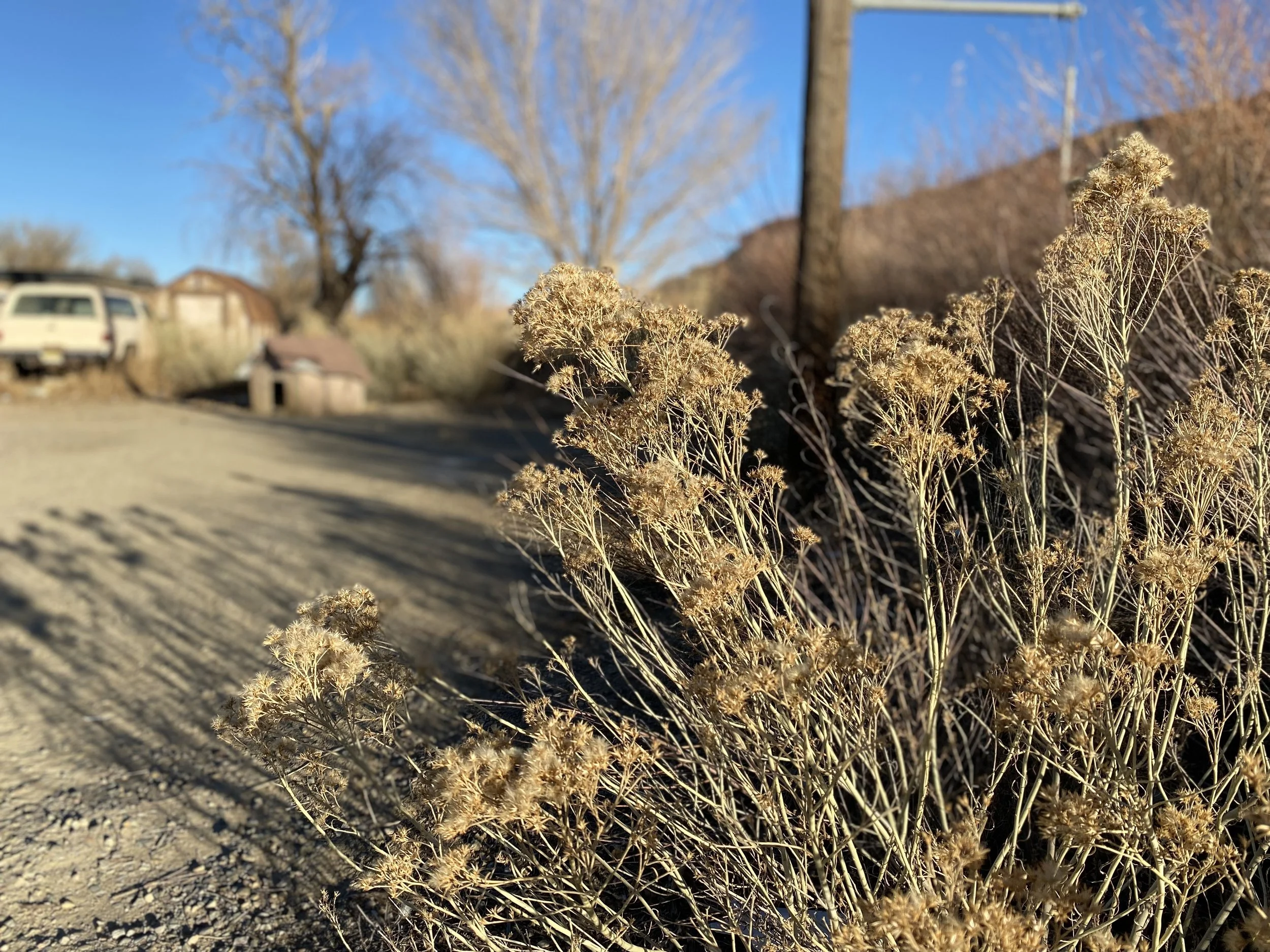
Detail of photograph by Danielle Shandiin Emerson
“Trickster cosmologies, especially creation stories that were badly translated by anthropologists, counter the serious trouble of a flood and create a new earth with no separations or divisions of time, character, or species. The shamanic scenes are totemic shadows with no distinction of gender or other divisions of spirits. The trickster reveals that his relatives are stones, and when his relatives burst in a fire, the fragments of native relations and trickster stories are scattered everywhere.” (2.2)
“Some of my stories are created with shamanic rage and others with a sense of totemic shadows, mockery, and diverse associations of ironic trickster stories. Characters in my stories observe relations, contradictions, and cultural simulations, and carry out these diversions in the same obscure sense of time and course of irony. Native relations and characters in stories or critical essays must show some sense of resistance and mockery of the cultural models of ethnography and the pretentions of popular culture.” (2.2)
“A more humane practice would consider a native presence based on blood relations and families, not on the arithmetic deceptions of federal agencies that would rather reduce the number of natives for any reason, such as the aberrant arithmetic reductions of indian blood to show that natives are closer to civilization. The miscalculations of navigation and simulations of indians with an absurd dose of serviceable blood is the grand puppet parley of shamanic mockery.” (2.4)
“The literary designation of “authentic” native authors should not be determined by the fascist actions of pretendian agents or commercial publishers but instead editors and readers should be more critical of the way authors create characters in natural motionand reveal the presence of animals and birds and critically evaluate the use of pronouns and references to totemic associations that have a distinct presence in the novels of many native authors. Leslie Silko, N. Scott Momaday, and many other authors, for instance, create animals in their stories that have essential associations and a sense of presence. Native mongrels and other animals are teased with nicknames as personal relations in my creative stories. Other critical considerations of native literary empathy would include the distinctive narrative scenes of survivance and critical mockery of treaty separatism and victimry.” (2.4)
“MacChurrbs is a native shaman and trickster with no direct relations by sound or meaning to any other names or words, a puppet character of imagination who has teased and tormented me for almost eighty years. He favored the literary creation of hand puppet parleys in Satie on the Seine: Letters to the Heirs of the Fur Trade. There are fifteen hand puppet parleys in the novel, including Sitting Bull and Victor Hugo, Carlos Montezuma and Émile Zola, Chief Joseph and Voltaire, Apollinaire and Anaïs Nin, Charles de Gaulle and Maréchal Philippe Pétain, Gertrude Steine and Adolf Hitler, near the Place du Panthéon during the Nazi Occupation of Paris.” (2.5)