
Vizenor Concordance: On MOTION
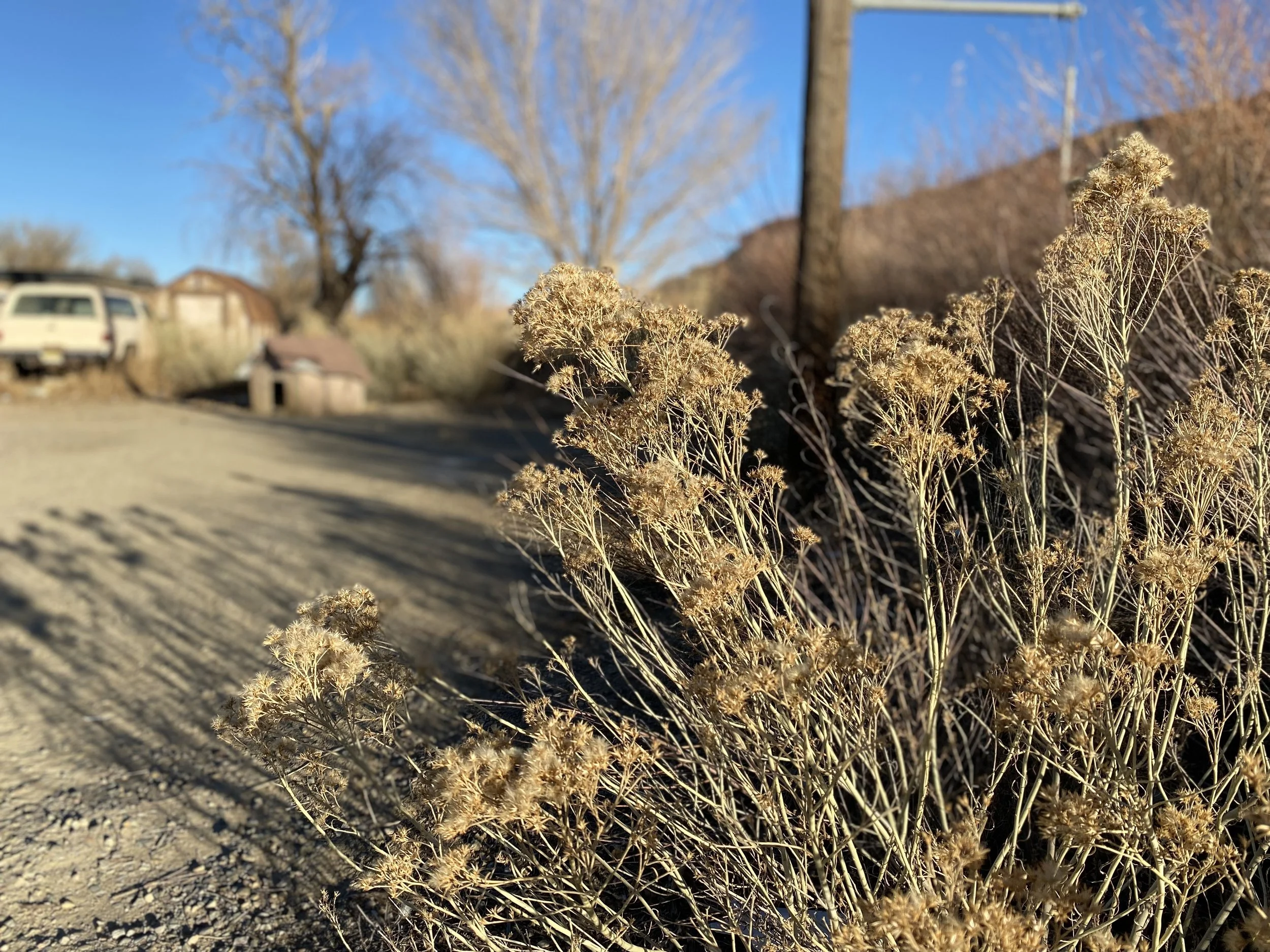
Detail of photograph by Danielle Shandiin Emerson
“One decisive inspiration to become a creative writer was directly related to the chance discovery of A Stone, a Leaf, a Door by the novelist Thomas Wolfe. I read the entire book standing at a library shelf on a troop ship bound for Japan. The book was a selection of poetic phrases from his first novel, Look Homeward, Angel. The senses of natural motion were elusive and secretive, and the sway of images caught me in a literary daydream by chance.” (1.1)
“New York University accepted me as a student and military veteran, and that first year at Washington Square College was one more course of chance. Look Homeward, Angel and other novels by Thomas Wolfe continued as a secure inspiration to become a writer. The most memorable experience that first year was an unusual seminar in literature and writing taught by the poet Eda Lou Walton. She presented my three page creative episodes, a weekly assignment, several times as favorable examples of descriptive images and original metaphors of motion, gestures and place. That favor was the first public recognition as a writer. Walton celebrated the literary realism of the novelist Henry Roth, an immigrant, who had lived in the lower East Side of New York. He wrote about the misery, detachment, and desperate poverty in his novel Call it Sleep. The dreamy sprawl of autobiographical gestures and buoyancy of metaphors in Look Homeward, Angel was romantic and an extreme cultural distance from the destitution and rage of immigrants, and descriptions of the cultural distance easily eroded my literary obsession with the sway of metaphors and images by Thomas Wolfe.” (1.1)
“My poetry is imagistic and with no punctuation or personal pronouns. Possessive pronouns dominate the chance of creative situations and force a revision of the imagistic sense of presence and natural motion. My most recent poems are five-line imagistic scenes that combine the inspiration of concise haiku poetry and the dream songs of the Ojibwe.” (1.3)
“My characters enact scenes of natural motion, totemic shadows, resistance, and mockery of popular and commercial expectation of indian cultures and literature. The characters in my novels carry out the irony, mockery, and sense of native presence over victimry and the absence in history.” (2.2)
“The creation of native stories in the structure of a written language is never the same as the elusive characters and strategic hesitations and gestures of oral stories, yet it was necessary for me to create a sense of natural motion, tease, totemic temper, and the visual sensations of oral stories. The silent printed words are no comparison to the company of generous and responsive native storiers. Some natives never learned to recognize the subtle hesitations of an oral storier. The characters in my stories create the memories and hesitations of native storiers with elusive gestures, dream songs, and the shamanic presence of hand puppets in obscure parleys. Oral storiers and some creative literary authors have carried out the sensations of natural motion with no structures of time or possessive pronouns, and these conventions were centuries ahead of the existential theatres of the postmodern. The elusive sense of time, natural motion, totemic shadows, mutable characters, and the generous tease of native nicknames and mockery in oral stories is surely evidence enough that natives could have been reviewed as an ironic deconstruction of monotheism and the narratives of mercenary commerce and culture.” (2.3)
“The literary designation of “authentic” native authors should not be determined by the fascist actions of pretendian agents or commercial publishers but instead editors and readers should be more critical of the way authors create characters in natural motionand reveal the presence of animals and birds and critically evaluate the use of pronouns and references to totemic associations that have a distinct presence in the novels of many native authors. Leslie Silko, N. Scott Momaday, and many other authors, for instance, create animals in their stories that have essential associations and a sense of presence. Native mongrels and other animals are teased with nicknames as personal relations in my creative stories. Other critical considerations of native literary empathy would include the distinctive narrative scenes of survivance and critical mockery of treaty separatism and victimry.” (2.4)
“Erdupps MacChurbbs reminded me that he was on my shoulder that summer of that notable resistance to possessive pronouns and told me that the autobiographical deceptions of the moment never had a native past and there was nothing more in the future than another chance to tease the moment and create a sense of natural motion and presence in native stories.” (2.5)
“The native essays of resistance, and the grand theories of mockery and survivance, are not traditions. The native essay is contention not a meditation, not separatism, not cultural absence, or the mastery of natural motion. The essay is an ironic venture, a tease of creation stories, and the native essay is a tease of Theodor Adorno and his theory of the essay cited in a collection of my essays, Fugitive Poses: Native American Scenes of Absence and Presence, University of Nebraska Press, 1998. The “essay retains, precisely in the autonomy of its presentation, which distinguishes it from scientific and scholarly information, traces of the communicative element such information dispenses with,” observed Adorno in Notes to Literature.” (3.2)