
Vizenor Concordance: On IMAGISTIC
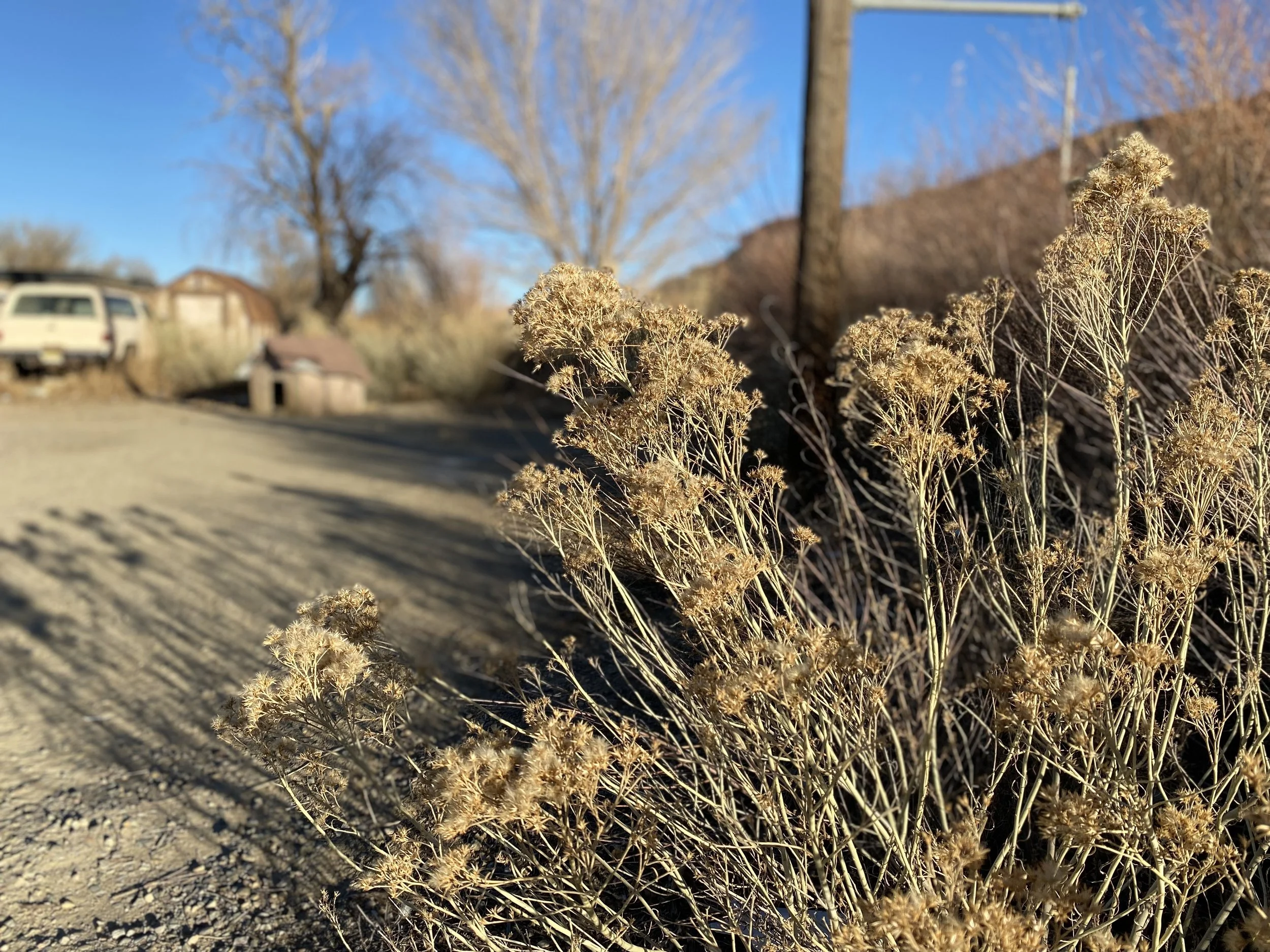
Detail of photograph by Danielle Shandiin Emerson
“Japanese haiku, two, three or four line imagistic poetry was a another traceable source of my inspiration as a poet. I read Matsuo Basho, Kobayashi Issa, and Yosa Buson and other poets in translation. Japanese citizens owned scrolls with the beautiful calligraphy of famous haiku poems. The only relative and critical experiences to compare at the time were the imagistic haiku to the dream songs of the Ojibwe or Anishinaabe. The comparison seemed easy at the time, only because my knowledge was very limited about the imagistic and ironic native dream songs.” (1.1)
“I was transferred a year later to a military base near Sendai, Japan, a short distance from Matsushima Bay and Island. Matsuo Basho had walked for more than two years from Edo or Tokyo to Matsushima. I visited the same island more than two hundred and fifty years later and imagined the presence of the poet Basho. I attempted to write haiku at the time, and the first poetic scenes were more descriptive than imagistic, and a few years later my sense of concise imagistic poems matured in a Japanese literature seminar with Professor Edward Copeland at the University of Minnesota. He was an exceptional teacher and with great respect he responded to my haiku images with his own, a secure culture of images. Copeland had served as a translator during the military occupation of Japan.” (1.1)
“I served as a native advocate on the streets of a desperate urban reservation, or existential colony, in Minneapolis in the early nineteen sixties, and later investigated and published a widely read brochure that protested the death sentence of Thomas White Hawk in South Dakota. The expanded essay about capital punishment and other critical essays about natives were published in the Twin Citian Magazine. The Minneapolis Tribune, a morning newspaper, hired me as a staff writer in 1968. My daily articles were descriptive, mostly urgent, and my reports of events were never imagistic or metaphorical. The experiences as a journalist increased my sense of precise words to explain the absence of natives in history.” (1.1)
“My poetry is imagistic and with no punctuation or personal pronouns. Possessive pronouns dominate the chance of creative situations and force a revision of the imagistic sense of presence and natural motion. My most recent poems are five-line imagistic scenes that combine the inspiration of concise haiku poetry and the dream songs of the Ojibwe.” (1.3)
“MacChurbbs easily provided a steady course of nicknames in my stories, and every native nickname was a tricky chance in creation stories. He was a miniature puppet and mighty at the same time, with no bloodlines, no terminal divisions of identity, and yet he is an imagined shaman that roams in the memory of an imagistic poet and storier. He told me to “free yourself from the customs of civilized measurements. We are so big, and so little at the same time. You have learned only one way to measure the world. Puppets of imagination vanish in culture of terminal creeds. Mockery and irony never expire, but some people exaggerate their presence and reach for cultural perfection through the exalted structures of possessive pronouns of the past.”” (2.5)