
Vizenor Concordance: On THE EXISTENTIAL COLONY
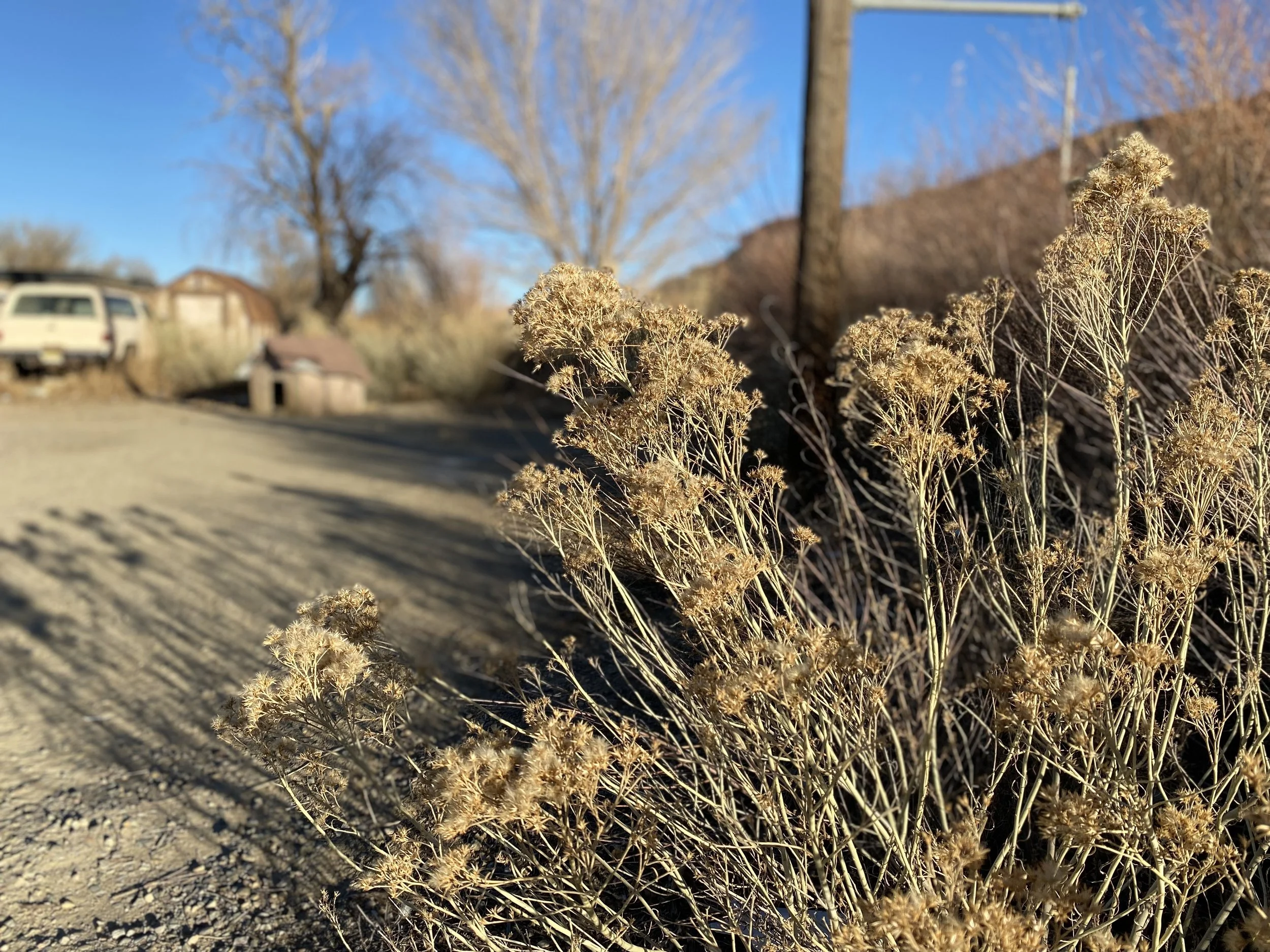
Detail of photograph by Danielle Shandiin Emerson
“I served as a native advocate on the streets of a desperate urban reservation, or existential colony, in Minneapolis in the early nineteen sixties, and later investigated and published a widely read brochure that protested the death sentence of Thomas White Hawk in South Dakota. The expanded essay about capital punishment and other critical essays about natives were published in the Twin Citian Magazine. The Minneapolis Tribune, a morning newspaper, hired me as a staff writer in 1968. My daily articles were descriptive, mostly urgent, and my reports of events were never imagistic or metaphorical. The experiences as a journalist increased my sense of precise words to explain the absence of natives in history.” (1.1)
“My critical essays advance the literature of survivance and mock the commercial themes of native separatism and victimry. From my first published novel Bearheart: The Heirship Chronicles to my most recent novel, Theatre of Chance: Native Celebrities of Nothing in an Existential Colony, the native manners and themes of resistance, survivance, and mockery counters the literary commerce of native victimry. My recent series of five interrelated native historical novels, Blue Ravens, Native Tributes, Satie on the Seine, Waiting for Wovoka, and Theatre of Chance, present hand puppet parleys that advocate native survivance and tease the agents of victimry. My first critical and historical discussions of native victimry and survivance were in academic essays and in Manifest Manners: Narratives on Postindian Survivance, 1990.” (2.1)
“The creation of native stories in the structure of a written language is never the same as the elusive characters and strategic hesitations and gestures of oral stories, yet it was necessary for me to create a sense of natural motion, tease, totemic temper, and the visual sensations of oral stories. The silent printed words are no comparison to the company of generous and responsive native storiers. Some natives never learned to recognize the subtle hesitations of an oral storier. The characters in my stories create the memories and hesitations of native storiers with elusive gestures, dream songs, and the shamanic presence of hand puppets in obscure parleys. Oral storiers and some creative literary authors have carried out the sensations of natural motion with no structures of time or possessive pronouns, and these conventions were centuries ahead of the existential theatres of the postmodern. The elusive sense of time, natural motion, totemic shadows, mutable characters, and the generous tease of native nicknames and mockery in oral stories is surely evidence enough that natives could have been reviewed as an ironic deconstruction of monotheism and the narratives of mercenary commerce and culture.” (2.3)
“My stories at the time were never decided with possessive pronouns and certainly not the consciousness of singularity in the ruins of civilization. My sense of native presence and recognition in a world of literary envy and trickery was never secure in a dominant monotheistic culture. Treaty reservations and native existential colonies in cities revealed cultural separatism but not a “specific civilization.” The communal pleasure of mockery and irony in trickster creation stories and the elusive native stories of chance, totemic shadows, shamanic mockery and irony are not comparable to “metaphysical preconditions.” Gusdorf declared that “Autobiography becomes possible only under certain metaphysical preconditions. . .humanity must have emerged from the mythic framework of traditional teachings and must have entered into the perilous domain of history. The man who takes the trouble to tell of himself knows that the present differs from the past and that it will not be repeated in the future.”” (2.5)
“German Marxism and Critical Theory at the Frankfurt School first focused on cultural materialism, communism, and the politics of fascism and consciousness. Critical theories are creased and complicated by expositions, analytical translations, violence, political and cultural events, and creative perceptions. Shamanic favors and the recognition of critical theories become a clever chase of native consciousness. The consideration of native totemic shadows, trickster cosmology, the chance of irony and mockery on separatist reservations and in existential colonies, are seldom the subject of critical theories.” (3.2)
“My critical contention about monotheism, the mercenary fur trade, reaty reservations separatism, casino cultures, the politics of existential native colonies, the conversion of communal stories of survivance to victimry in commercial novels, and the digital depictions and artificial intelligence, continue to broaden critical theories and other interpretations of native literature. Theodor Adorno and Walter Benjamin were more instructive at the time about storiers, essays, and literature than the other distinguished scholars and philosophers of the Frankfurt School.” (3.2)
“Native storiers have never been easy to consider in the anonymity of existential colonies in cities or at universities, but a grand theory of totemic sensations of mockery, chance of healers, and elusive totemic shadows created by oral storiers continue in some native nations that are not casino cultures. The native grand theories of mockery and irony easily deconstruct digital images and artificial intelligence as nothing more than evasive agency decoys and analogue simulations of futuristic reservations of victimry. The sense of presence and ironic manner of native storiers is elusive and never a digital memory. Digital depictions and other enactments of artificial intelligence depose the native novels that have not created totemic shadows and the ironic presence of storiers. Benjamin would surely salute the grand theories of mockery and irony as restorations of the last native stories of shamanic hesitations and liberty on the continent.” (3.2)
“My dedication as a native advocate on the streets of the existential colony started about three years before the parolees appeared in expensive automobiles to monitor the abominable police abuse of natives on Franklin Avenue. I was determined in the early nineteen sixties to establish a native center, but the Bureau of Indian Affairs denied our application because it was not the defined duties of the agency to serve urban natives. The congressional intent, we were told, was to serve natives on or near reservations. The largest population of natives in the city at the time was estimated to be more than five thousand, by far the largest population of natives in Minnesota. I refused to accept the service limitations and asked the local congressman, Donald Fraser, and Senator Walter Mondale for some confirmation of native services. Fraser reported after a congressional research that there was no such intent to serve natives only on or near reservations, and Mondale directed the Bureau of Indians Affairs to support our dedication to establish a native service center. The prison troupe of natives had not yet been paroled.” (3.4)
“Ronald Libertus, Mary Thunder, George Mitchell, James Sayers, and many other dedicated natives, and seventeen eager Volunteers in Service to America, worked closely with me in the community as advocates to provide basic services, housing, child support, medical assistance, and to locate employment for natives in the existential colony, and assisted me in the organization of a native protest at the regional office of the Bureau of Indians Affairs on Lake Street in Minneapolis. Douglas Hall, an extraordinary liberal and activist lawyer, resolved many legal obstacles that were used to distract the native advocates.” (3.4)