
Vizenor Concordance: On COMMERCE
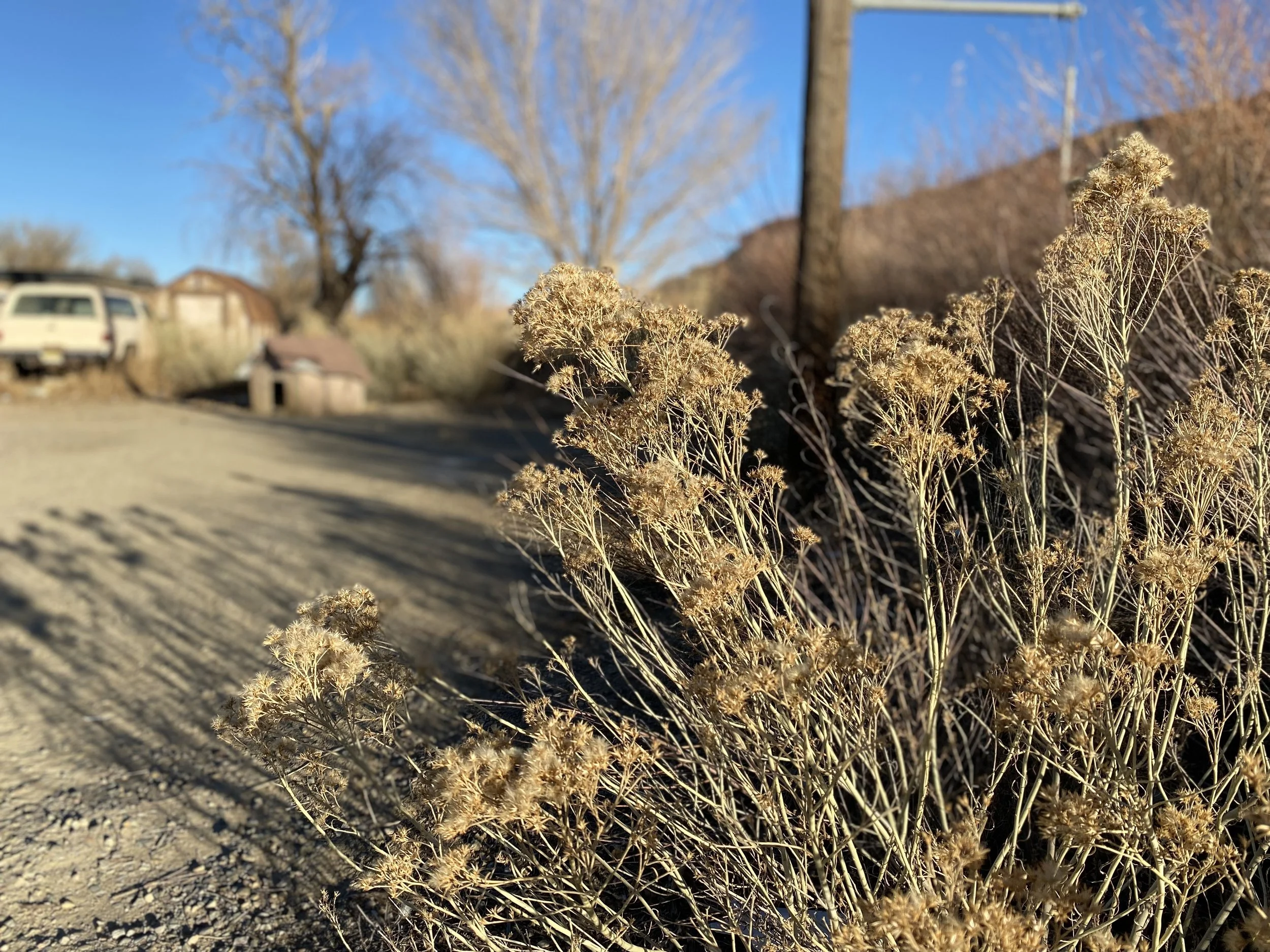
Detail of photograph by Danielle Shandiin Emerson
“The commercial publishers of books and magazines edited stories to reveal native victimry that satisfied the readers. The indians were the commerce of literary savagism, cultural simplicity, and at times brave and heroic, but the stories always ended with the clear course of separatism and victimry. My native stories and novels create characters and situations that mock separatism and establish themes of resistance and survivance over any traces of victimry.” (2.1)
“My critical essays advance the literature of survivance and mock the commercial themes of native separatism and victimry. From my first published novel Bearheart: The Heirship Chronicles to my most recent novel, Theatre of Chance: Native Celebrities of Nothing in an Existential Colony, the native manners and themes of resistance, survivance, and mockery counters the literary commerce of native victimry. My recent series of five interrelated native historical novels, Blue Ravens, Native Tributes, Satie on the Seine, Waiting for Wovoka, and Theatre of Chance, present hand puppet parleys that advocate native survivance and tease the agents of victimry. My first critical and historical discussions of native victimry and survivance were in academic essays and in Manifest Manners: Narratives on Postindian Survivance, 1990.” (2.1)
“The creation of native stories in the structure of a written language is never the same as the elusive characters and strategic hesitations and gestures of oral stories, yet it was necessary for me to create a sense of natural motion, tease, totemic temper, and the visual sensations of oral stories. The silent printed words are no comparison to the company of generous and responsive native storiers. Some natives never learned to recognize the subtle hesitations of an oral storier. The characters in my stories create the memories and hesitations of native storiers with elusive gestures, dream songs, and the shamanic presence of hand puppets in obscure parleys. Oral storiers and some creative literary authors have carried out the sensations of natural motion with no structures of time or possessive pronouns, and these conventions were centuries ahead of the existential theatres of the postmodern. The elusive sense of time, natural motion, totemic shadows, mutable characters, and the generous tease of native nicknames and mockery in oral stories is surely evidence enough that natives could have been reviewed as an ironic deconstruction of monotheism and the narratives of mercenary commerce and culture.” (2.3)
“The forty sworn citizen delegates were mostly elders, and not one lawyer. More than half of the delegates had completed college courses, and twelve delegates had earned one or more academic degrees. Two delegates were college teachers, one was a retired fireman, two worked in health services, one a musician, one a head start teacher, one a casino worker, and seven delegates worked for various federal agencies. Compare the delegates of the White Earth Constitutional Convention to the fifty five delegates of the Constitutional Convention at Philadelphia in 1787. More than thirty were lawyers or had legal experiences, thirteen were merchants, six land speculators, eleven securities investors, twelve plantation slavers, two farmers, two scientists, three physicians, and one college president. The delegates considered the power to collect taxes, impose excises, borrow money, and regulate commerce and Indian Tribes.” (3.3)