
Vizenor Concordance: On CIVILIZATION
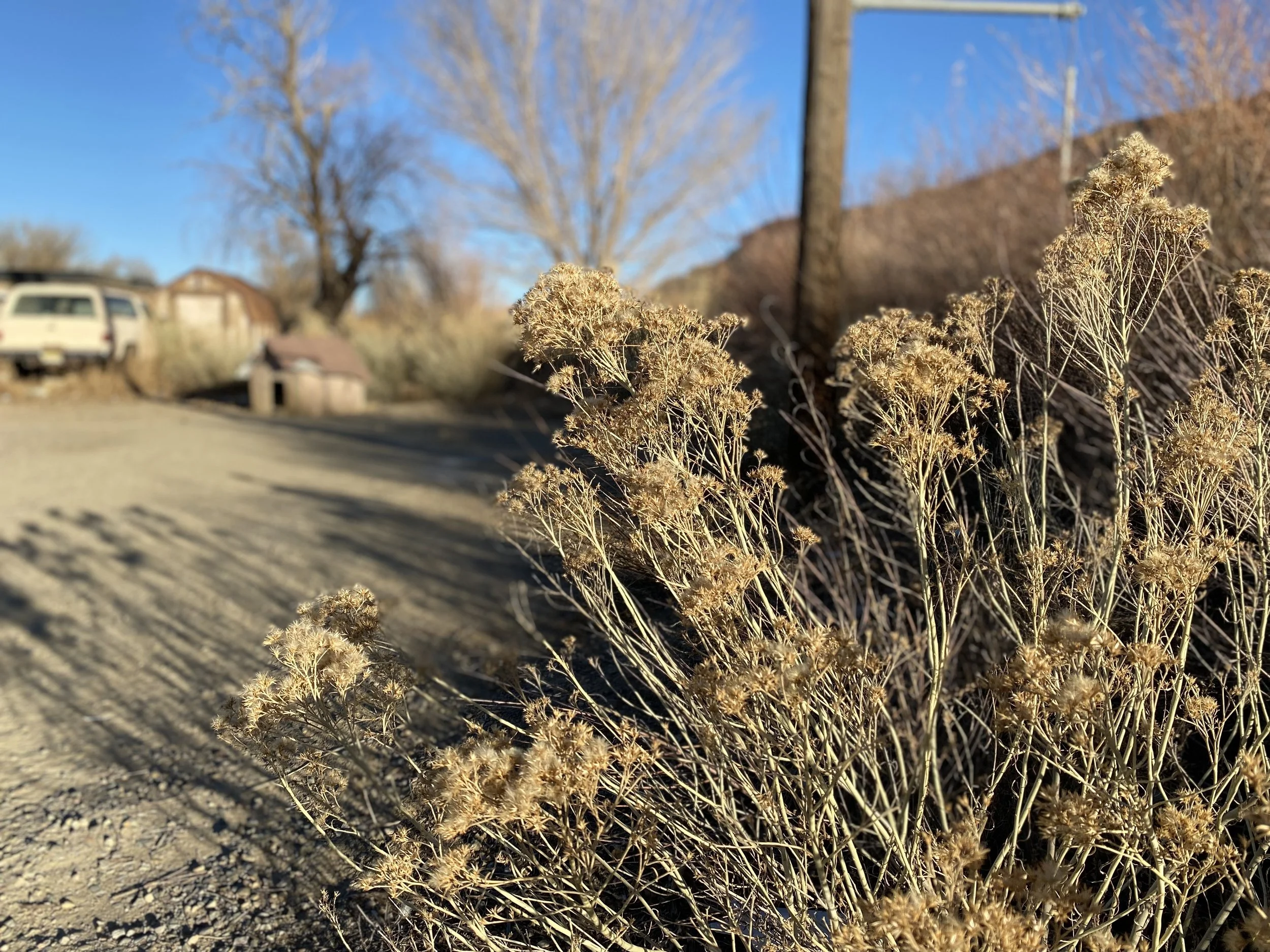
Detail of photograph by Danielle Shandiin Emerson
“Natives and suicide are two words that forever burden my memories with the sentiments of misery, the separatism of treaty reservations, casino cultures as sardonic salvation, and reveal the mockery and weary stories of native continental liberty in the ruins of civilization. One crucial story that has haunted me for more than fifty years is my report on the suicide of Dane White, an abandoned and lonesome thirteen year old native who had been confined in a county jail for more than six weeks for the crime of truancy from a public school. My story about the funeral services and burial was published on the front page of the Minneapolis Tribune on November 21, 1968.” (1.1)
“A more humane practice would consider a native presence based on blood relations and families, not on the arithmetic deceptions of federal agencies that would rather reduce the number of natives for any reason, such as the aberrant arithmetic reductions of indian blood to show that natives are closer to civilization. The miscalculations of navigation and simulations of indians with an absurd dose of serviceable blood is the grand puppet parley of shamanic mockery.” (2.4)
“Four years after the publication of Growing Up in Minnesota my original resistance to possessive autobiographical narratives was confirmed in the publication of “Conditions and Limits of Autobiography,” an essay by Georges Gusdorf in Autobiography Essays: Theoretical and Critical by Jame Olney, Princeton University Press, 1980. “The concern, which seems so natural to us, to turn back on one’s own past, to recollect one’s life in order to narrate it, is not at all universal,” observed Gusdorf, a French philosopher and founder of critical theories of autobiography. “The man who takes delight in drawing his own image believes himself worthy of a special interest. . . This conscious awareness of the singularity of each individual life is the late product of specific civilization.”” (2.5)
“My stories at the time were never decided with possessive pronouns and certainly not the consciousness of singularity in the ruins of civilization. My sense of native presence and recognition in a world of literary envy and trickery was never secure in a dominant monotheistic culture. Treaty reservations and native existential colonies in cities revealed cultural separatism but not a “specific civilization.” The communal pleasure of mockery and irony in trickster creation stories and the elusive native stories of chance, totemic shadows, shamanic mockery and irony are not comparable to “metaphysical preconditions.” Gusdorf declared that “Autobiography becomes possible only under certain metaphysical preconditions. . .humanity must have emerged from the mythic framework of traditional teachings and must have entered into the perilous domain of history. The man who takes the trouble to tell of himself knows that the present differs from the past and that it will not be repeated in the future.”” (2.5)
“Vine encouraged native movements that were progressive, clever, and embraced an ethos of governance, and celebrated the right of resistance in the ruins of civilization. He declared that it was crucial that natives “pick the intellectual arena as the one in which to wage war. Past events have shown that the Indian people have always been fooled by the intentions of the white man. Always we have discussed irrelevant issues while he has taken our land. Never have we taken the time to examine the premises upon which he operates so that we could manipulate him as he has us.”” (3.1)